The health risks one can encounter with urban flooding and sewer backups are varied; they can be anything from a stomach bug or skin trouble to more grave injuries, mould and toxic chemicals. Do not be fooled by water that appears clear, it is not necessarily safe. It could be laced with household chemicals, electrical dangers, sharp objects, as well as viruses, bacteria, parasites and raw sewage.
This is an Australian guide to the matter in practical terms: how floodwater makes you ill, which symptoms are of concern, who is in the most peril and the proper way to clean up. I am Thomas Ashbury and my philosophy is straightforward. Have some respect for the water and make your calls early so that a heroic effort at cleaning does not end up an unnecessary hospital visit.
What Flooding Can Do To Health
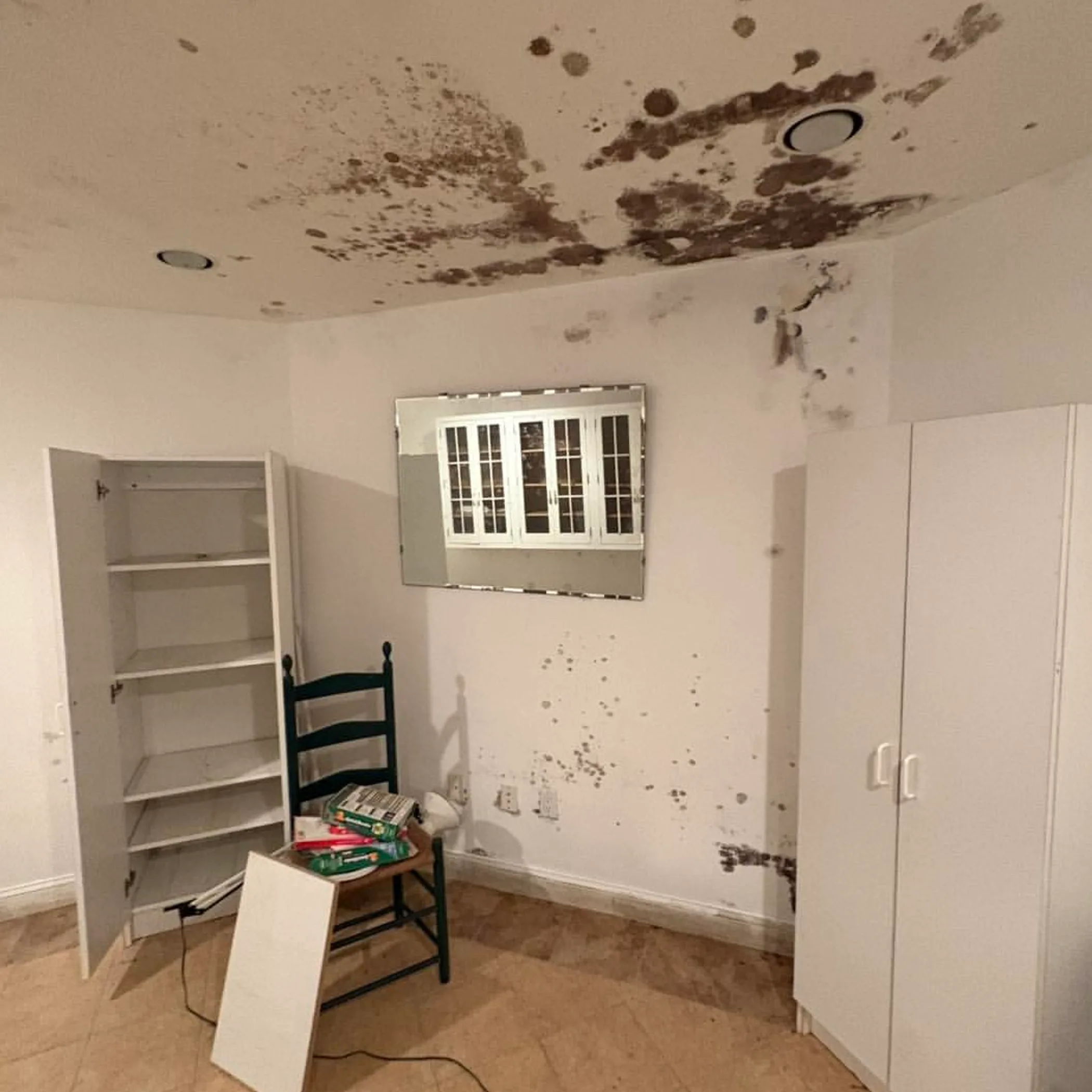
Stormwater, refuse, fuel, animal waste, pesticides and sewage are all driven into public spaces, homes and streets by urban flooding. With a sewer backup you have to be wary because of blocked drain safety concerns, since the wastewater will have chemical, physical and biological hazards in tow.
You will find the preponderance of health risks from such flooding in four categories: infections, injuries, exposure to hazardous substances and breathing problems. Indirectly, illness can come about from stress, lack of sleep, bad drinking water or food that has gone off and any delay in getting medical attention.
Four Main Hazard Groups
| Hazard | Examples | Possible effects |
|---|---|---|
| Biological | Raw sewage, animal waste, bacteria, viruses, parasites | Respiratory and eye infections, skin infections, gastrointestinal illness |
| Chemical | Industrial waste, solvents, fuel, pesticides, cleaners | Headaches, dizziness, breathing difficulties, poisoning and burns |
| Physical | Unstable structures, nails, broken glass, fast water, exposed power | Crush injuries, electric shock, drowning, falls, puncture wounds and cuts |
| Environmental | Mould, dampness, heat, spoiled food, mosquitoes | Dehydration, mosquito-borne illness, allergies and asthma |
There is no set number of minutes you can stand in floodwater and be safe. It is a question of the depth and speed of the water, any open cuts you may have, how long the contamination is on your person or gear and what is in the water to begin with.
How Contaminated Water Causes Illness
Germs in the floodwater will cause illness if they get into the lungs, nose, eyes or mouth, or through a break in the skin. A little bit swallowed is sufficient to cause problems, especially if there has been a mixing of the water with animal or human waste.
It is a common error to think an item is hygienic once it has dried. Drying will take the moisture out but it is no guarantee against chemical residue or germs. The same goes for kitchen benches, footwear, children’s toys and taps that have been in contact with floodwater.
Common Routes Of Exposure
- Ingesting contaminated food or water.
- Handling wet things and then your face.
- Sewage in a graze or cut.
- Dust, droplets and mould spores inhaled while you are cleaning up.
- Fumes of an industrial or household nature.
With children putting their fingers in their mouths after being in contact with the floor or a toy, exposure is easy. Then you have pets tracking it in on their fur and paws. Between a muddy toddler, a wet dog and an open cupboard in the kitchen you have a very effective means of relaying contamination.
Infections Linked To Sewage Exposure
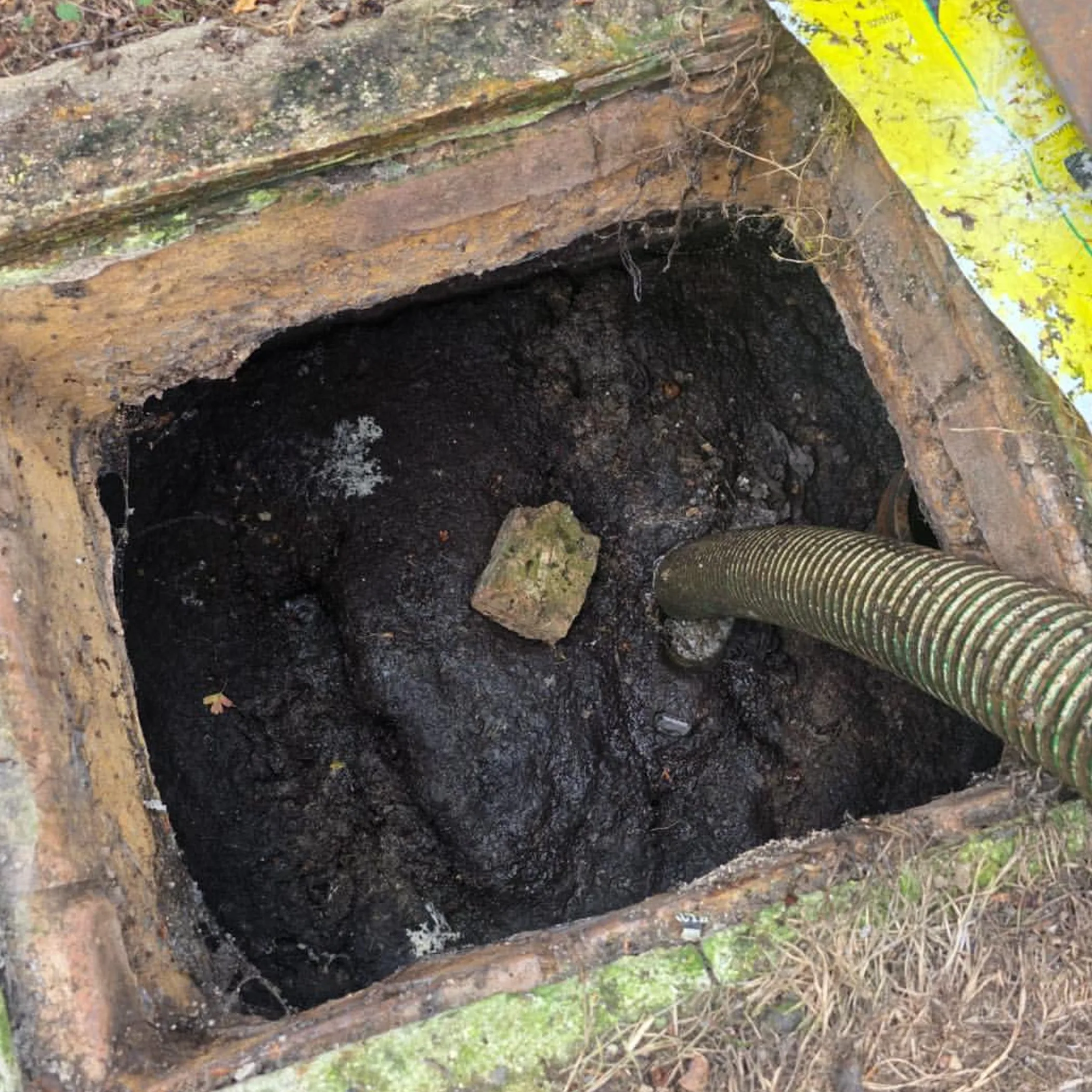
Bacteria, viruses and parasites are behind the infections associated with a sewer backup. What the risk is will be dictated by the extent of the exposure, the source and the individual’s state of health.
Leave the diagnosis to a doctor rather than going over a list of germs. Make note of the time of exposure and let the doctor know floodwater was a factor.
Some Germs Doctors Will Be Looking At
E. coli and Salmonella are responsible for fever, nausea, vomiting, cramps and diarrhoea. Should you have severe abdominal pain or bloody diarrhoea, seek medical advice without delay as some E. coli strains can be more complicated.
Parasites like Giardia and Cryptosporidium can leave you with weight loss, tiredness, cramps and prolonged diarrhoea. These symptoms do not always show themselves right away, so any post-flood illness warrants a conversation with a professional.
Leptospirosis is contracted from soil or water where infected animal urine has been. Look out for red eyes, chills, muscle aches, fever and headache. Put down for the doctor any contact with rodents or farm animals, mud or floodwater in the course of an outdoor clean-up.
Hepatitis A can result when faecal contamination enters the mouth, bringing jaundice, fever and discomfort. As for vaccination, that is a matter for your medical history, travel and the like.
Tetanus would not be classed as a dirty water infection but the odds of a puncture from some debris or a nail are higher during a flood clean-up. Soil or sewage in a wound is cause to have one’s tetanus vaccination record put in order.
Symptoms To Be Aware Of
It can take hours for an illness from contaminated water to make itself known, or several days and more with certain infections. While the timing is suggestive it will not tell you what is behind it. Make a note of the date of exposure, any treatment you have had, your temperature and the symptoms.
The usual gastrointestinal complaints are fever, cramps in the abdomen, nausea, vomiting and diarrhoea. One may also present with a rash, red eyes, a sore throat, cough or wheeze, headache, painful urination or an uncharacteristic level of fatigue.
Timing And Severity
| Symptom or sign | Why it matters | What to do |
|---|---|---|
| Nausea or mild diarrhoea | A sign of having been exposed to food or water that is not safe | Monitor closely, rest and have some safe fluids |
| Fever, chills, severe muscle aches | Broader infection such as leptospirosis is possible | Put in a call to your doctor and mention the flood exposure |
| Diarrhoea with blood, vomiting that will not stop | Dehydration and something more serious are risks | Have a doctor see you as a matter of urgency |
| Yellowing of the skin or eyes | Jaundice (hepatitis A) among other things | For a medical assessment, do not delay |
| Tightness in the chest, trouble breathing | An infection, asthma, chemicals or mould could be at play | Get out of the area and if it is bad, seek care |
| Puncture, electrical injury or a deep wound | There may be hidden damage, burns or tetanus | See a doctor without delay |
Those with a chronic condition, the elderly and children are prone to a quicker decline. Repeated bouts of vomiting or diarrhoea are no time for the “she’ll be right” attitude; it is not a plan of action.
Who Is Most At Risk
While floodwater is an equaliser, there are those with less in reserve or who are more exposed. An older person might get dehydrated or hurt in the course of lifting and cleaning, a young child can put water in his mouth by accident.
Pregnant women, the immunocompromised and anyone with diabetes, liver or kidney disease, lung problems or severe asthma would be well advised to consult a medical professional for advice following any major exposure. The same goes for those whose job it is to do flood clean up, work in drainage or waste removal, where they are in for repeated contact and formal controls are called for.
When To Exercise Caution
If you are unwell, pregnant or cannot put on the right personal protective equipment, leave the job of cleaning raw sewage to someone else. Those with eczema, open sores or respiratory issues should be especially careful.
Do not let pets come into contact with spoiled food, sewage, dead animals or the floodwater. Should a pet show signs of lethargy, vomit, get a wound or have diarrhoea after being out in it, talk to a vet.
Floodwater Safety

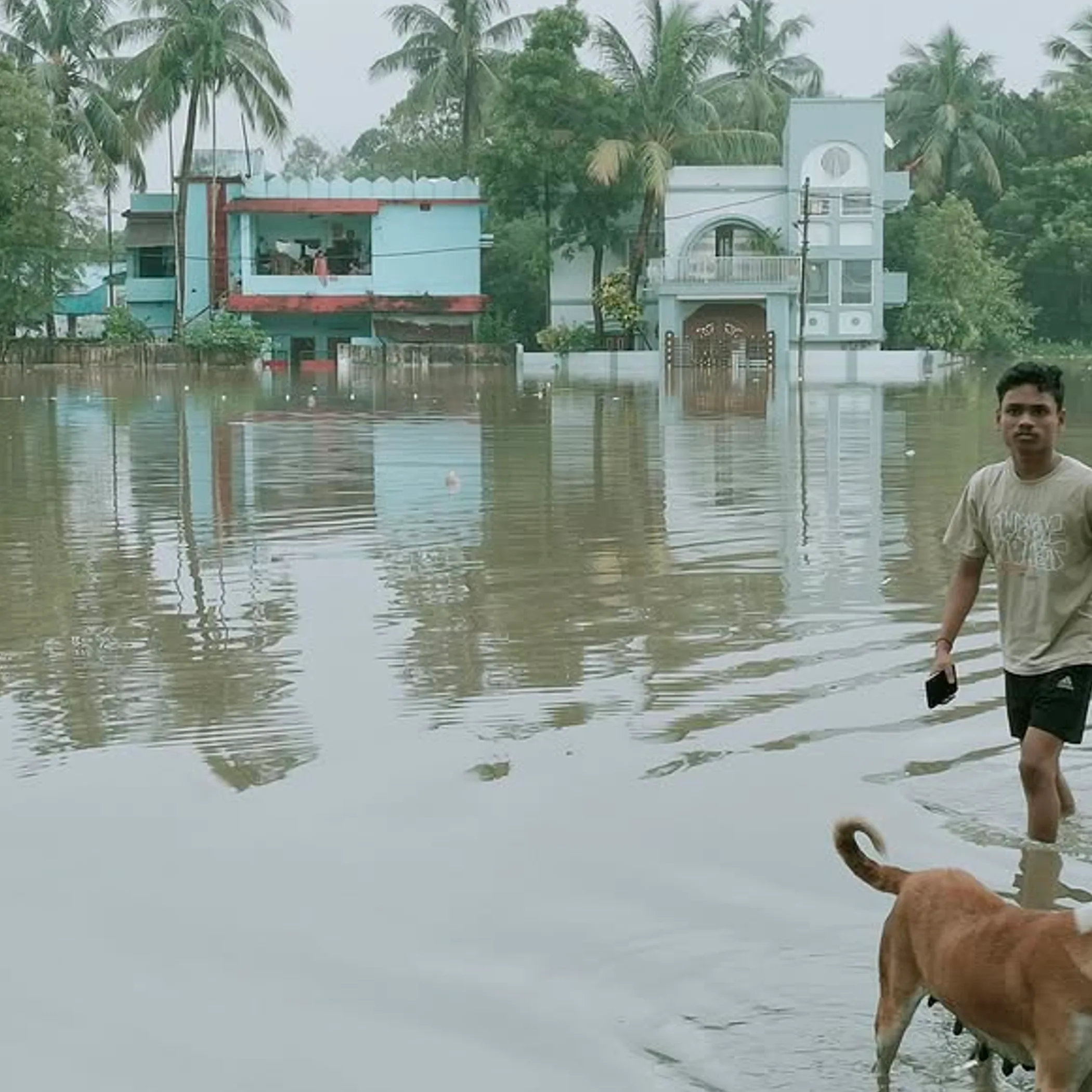
The message from Floodwater safety Australia is plain: stay out of it. You never know what moving water is concealing, be it unstable ground, sharp debris, wires, snakes, vehicles or a drop off.
Under no circumstances should a driver attempt to cross. What appears to be a shallow road may have been washed away below and a car will lose its grip before the driver has time to react. In the Top End in wet season or when there is a cyclone alert between November and April things can turn in a hurry. Upstream rain can make a dry creek bed in the Pilbara treacherous.
Accessing A Property
Let the council, emergency services or the utility authority give the all clear first. Where there is a question of power, do not go near the water and electrical gear. Put a torch to use instead of an open flame in case of gas or chemical vapour and keep children and pets at a distance.
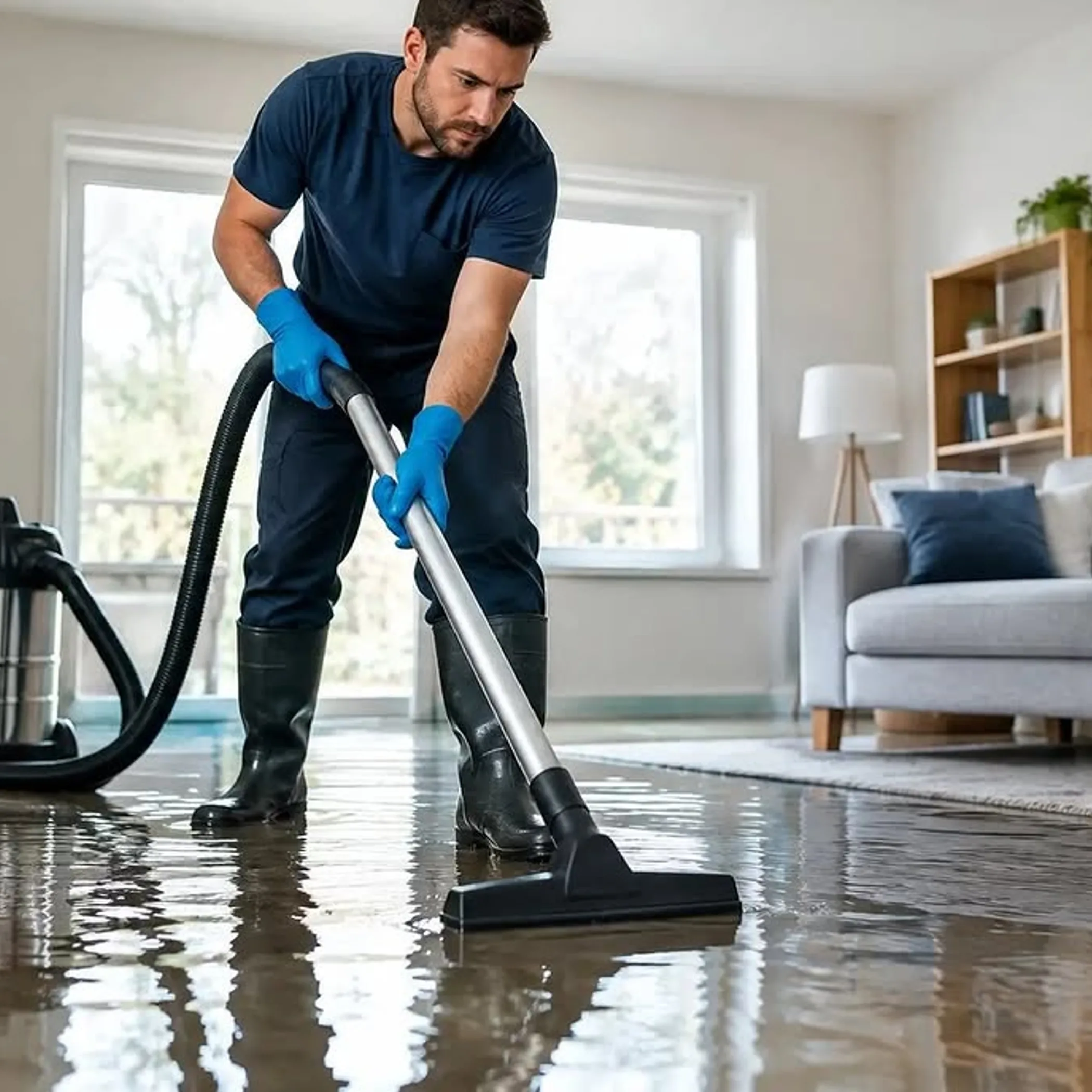
Suitable PPE is the final defence, not an invitation to wade into water of unknown depth. Wear rubber boots, waterproof gloves, sturdy clothes and eye protection. If there is mould or dust, a respirator or mask that fits is in order. Safe Work Australia has guidance for employers on biological hazards in the workplace during a clean-up; risk assessments and fit-tested respiratory protection may be required.
Sewage Contact
If sewage has got into a wound, the eyes or mouth, act on it. A good wash will not preclude an illness but it does cut down on contamination. Soap and running water for the skin. Any clothing that has been soiled should be put in a bag and sealed for later. Flush the eyes with clean water for a few minutes if need be.
A waterproof dressing for wounds. And medical opinion for anything like a bite, a burn, a deep puncture, breathing difficulties or questions over tetanus. Bleach and solvents are not to be put on the skin.
Checklist for decontamination
- Put some distance between yourself and the area and strip off the wet clothes.
- Soap and safe water for the hands, arms and face.
- A rinse with clean water for the mouth or eyes if they have been exposed.
- Footwear, tools and any PPE to be reused should be put aside for a separate cleaning from the rest of the household.
- Should one come down with symptoms or a wound, or has there been a high-risk exposure, see a doctor.
After a flood the safety of drinking water is of concern. Heed what the local health authority says in respect of boiled, bottled or treated water. One would be unwise to consider tap water, from a rainwater tank, private bore or ice maker as safe without confirmation from the proper authorities.
A Flooded Home: Cleaning It Up

The first order of business in flood cleanup is to determine what has to go. There are porous things that have been in contact with sewage – carpets, mattresses, soft furnishings, insulation, even some of the children’s toys – that can not be cleaned with any assurance. If insurance requires it, take a photo of the damage before you put an item out, but do not let paperwork put off what is needed on hygiene grounds. I make a point of sorting into “save”, “clean” and “discard” piles in short order; the box for sentimental pieces can wait until the biological hazards are no longer an issue.
Cleaning with some control
Only ventilate the building when conditions are right, and do not agitate mould or old sewage residue. A household vacuum will not do for standing water; use equipment fit for contaminated water. Hard surfaces should be done over with detergent and then a disinfectant as per the label and local guidance.
Under no circumstances mix bleach with ammonia, acids or the like, the gases produced are hazardous. Leave testing of electrical or gas systems and structural matters to those qualified to do so.
Thoroughly dry the place out. In warm weather mould will take hold on damp materials in no time. You may have to dehumidify and get rid of wet porous material and create some air movement, but ensure you are not blowing dust from the contamination into a clean room.
Medical Care
Urgent care is called for in the event of collapse, chest pain, confusion, uncontrolled bleeding, electric shock, serious burns, severe dehydration, a deep wound or trouble breathing. For the unconscious, drowning or badly injured, call emergency services.
For fever following floodwater contact, bloody stools, jaundice, persistent vomiting or diarrhoea, red eyes, a bad headache or muscle pain, or if a baby or someone with a compromised immune system shows any signs, a prompt visit to the doctor is in order.
Be specific with the clinician as to what transpired: was it stormwater or sewage, did the individual swallow water, have a wound or animal or chemical or mould contact, and when? Such particulars are of far more use in determining treatment than a vague “I felt crook after the flood”.
Frequently Asked Questions
Will floodwater make you ill even when it appears clean?
It can. There are germs and fine contaminants you cannot see. Unless the authorities say it is all right, regard any water that has made its way into the drainage or streets or buildings as unsafe.
Is it sufficient to boil the tap water?
Boiling will deal with certain biologicals but not fuel, heavy metals, pesticides and the like. Adhere to any local warning and have some bottled water on hand.
Mouldy clothes?
If they are not sewage-contaminated and can be given a good wash, some items are salvageable. But where raw sewage or extensive mould is involved it is better to part with them.
Antibiotics for sewage contact?
Not as a matter of course. They are not a blanket prevention for flood illness and a clinician should prescribe them. An assessment is warranted after any high-risk exposure or if symptoms worsen.
How long to be on the lookout?
Several days. Be alert for anything delayed like unusual fatigue or prolonged diarrhoea. And if something does develop, do not hesitate to tell the doctor about the exposure even if it was more than a day ago.
Put Safety First
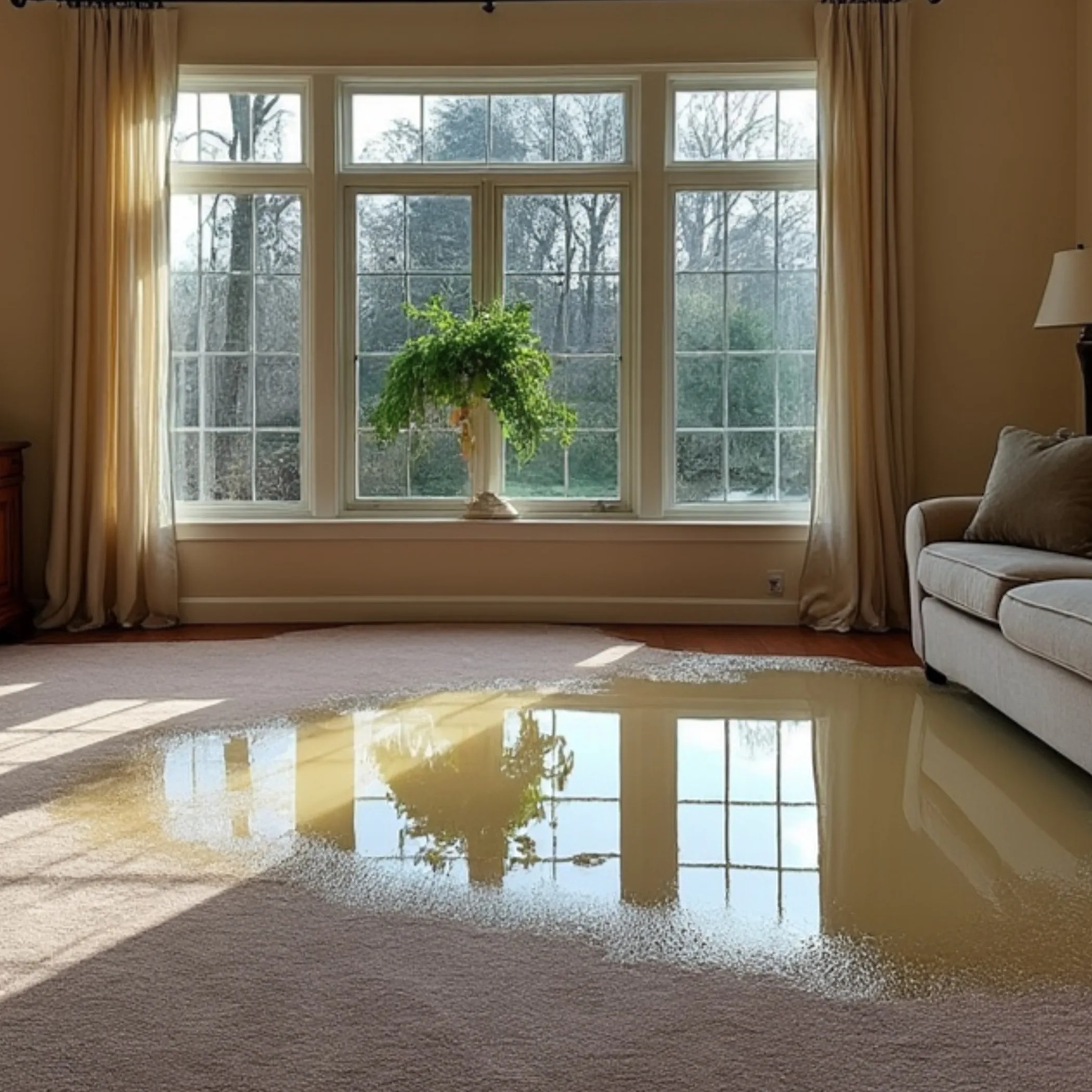
With urban flooding and sewer backups you have infection, injury, chemicals and mould to contend with. Have a plan for cleaning, use your PPE, protect wounds and make sure the drinking water is sound. When symptoms show up it is much simpler to get medical advice early than to be stubborn with an infection.
The best way to respond to a flood is not with drama. Keep people from the water and away from what is clean, put down what has happened and get help if you need it. It is a careful, effective and rather unexciting approach that will stave off a health problem.