The question is how one goes about it? Be frank with yourself: for a temporary fix high-coverage makeup will do, or have a word with a professional about laser or surgical tattoo removal if you want something more enduring. Makeup will obscure the ink but it is not going to get rid of the pigment under your skin.
I am Thomas Ashbury. Over the years I have had enough conversations with beauty therapists, cosmetic tattoo artists and their clients to know that people are after an unvarnished answer, not some glossy promise. cosmetic tattooing also requires careful preparation. Preparation is key. In this country’s heat a hasty application of foundation has a way of sliding off before you have even had lunch. Do it right and you will have a natural-looking base to see you through an event without a patch of beige on your arm that looks out of place.
What You Are Aiming For
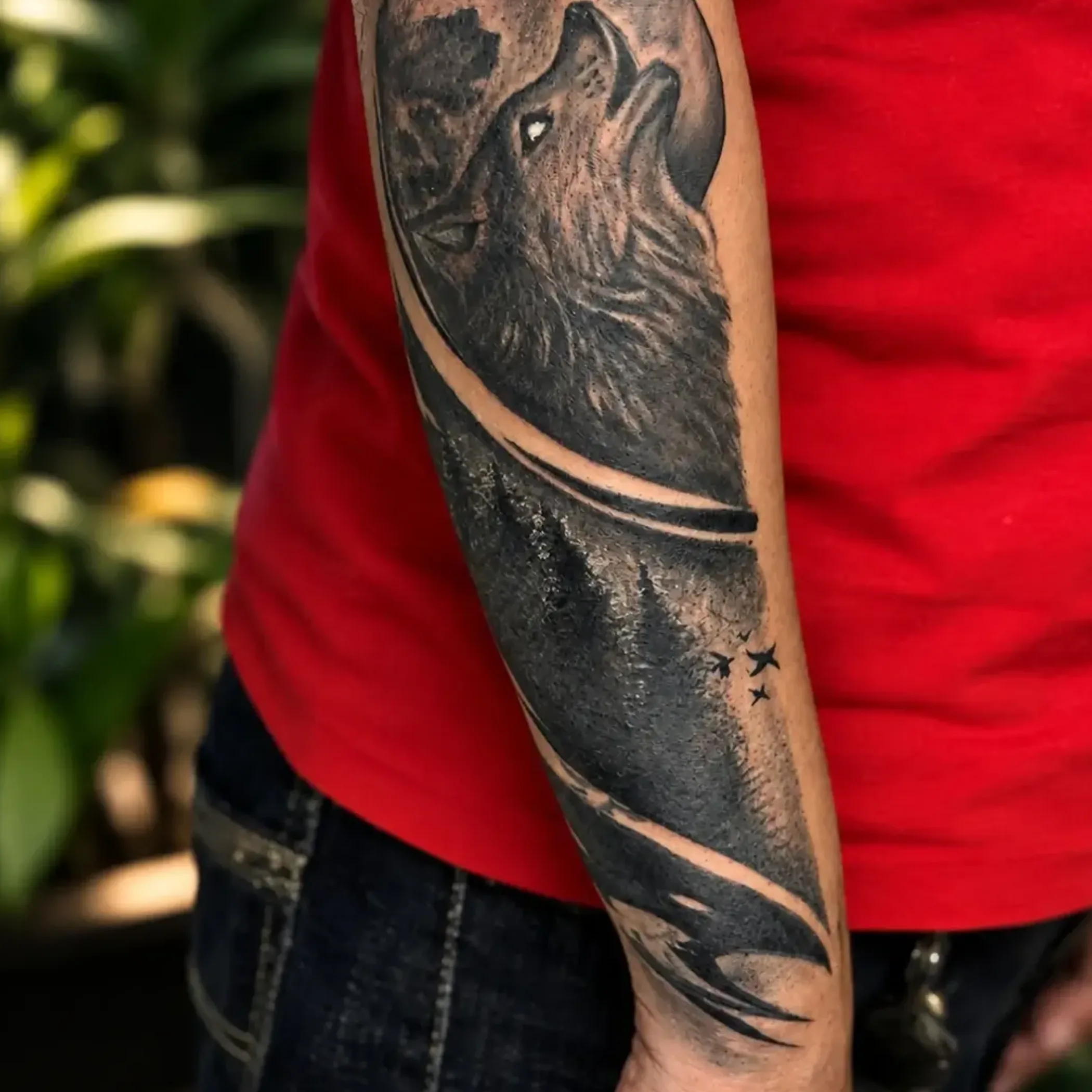
Making a visible piece of ink seem to be there no longer or at least less so is what the ‘no-tattoo’ look is all about. Whether for a uniform, a job interview, a wedding or a photo shoot, or just to have a day without the artwork on your skin, the reasons are many. It is not synonymous with permanent removal though. You have to consider the size, age, texture and location of the tattoo as well as your own skin tone. There is no comparison between a faded black mark on the forearm and a heavy blue, green and red sleeve.
Reality Check
You might think a thick coat of foundation will put an end to it all. In fact the opposite is true; it will be obvious, transfer to your clothes and crack at the joints. Build up thin layers and give them time to settle. As for laser removal, do not expect guaranteed clear skin. Ink depth, colour, skin type and aftercare are all factors. More than one session is the norm and in some cases a ghost of the tattoo or some change in pigmentation remains.
Hiding The Tattoo
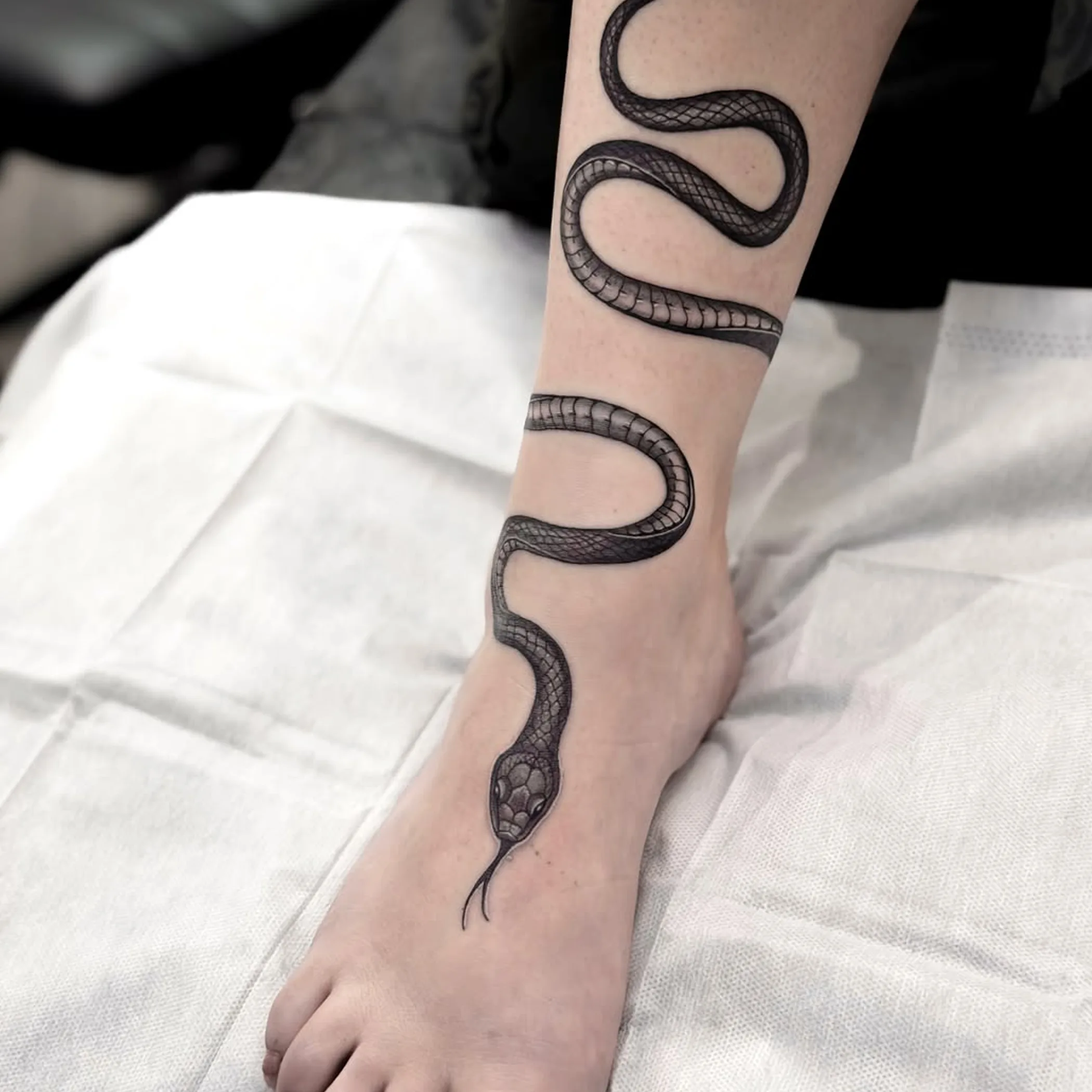
Do not rely on a miracle product for temporary concealment, work with a system. Have your colour corrector, powder, setting spray and a good concealer or foundation to hand.
First things first, inspect the skin. No makeup should go on top of a fresh tattoo, broken skin or an allergic reaction, waterproof or not; it is not a medical dressing.
Skin Preparation
Wash and dry the area. An oily moisturiser will make the base run so put that aside, or if the skin needs it, apply earlier and let it sink in. Only trim any body hair that has to be done and put the razor away for now; nicks and razor burn will make the colour correction sting. I have made the mistake of not heeding that before an event and while the tattoo was hidden the rest of my skin looked as though it had been in a scuffle with a cactus.
Put on something that will not chafe the area as the makeup sets and if you are covering a knee or ankle, put it to the test before you head out. Friction is the enemy of a cover-up.
A Three-Step Process
With controlled layers you will get the most dependable results. Start with less than you feel called for and only add where the tattoo is still evident.
Use a colour corrector to neutralise the ink. Use a colour corrector to neutralise the ink prior to any skin-toned product. A peach corrector will take the edge off blue or purple on lighter skin; for medium to deeper complexions with green or dark blue tones an orange one is better. Blend the edges, do not go slathering a bright orange over the whole thing.
Then put on your full-coverage foundation or concealer. Make sure it is in keeping with the surrounding skin. A sponge or a dense brush to press it on is best, hard rubbing will undo the corrector. Let it dry and see if you need another layer.
To make it last, set the makeup. Set with translucent powder in the creases and a long-wear setting spray. Give it a few minutes before you dress and blot if you must. From a normal distance it should pass for skin and not resemble a plastered wall.
Get The Skin Tone Right
This is the stumbling block for most home efforts. Put the product to the side of the tattoo and on some bare skin to check the match. Time spent in the open will see your face, chest and forearm take on different hues.
When it comes to a sizeable tattoo, one should put together two or so shades from the same family, whether purchased or on loan, and mix as you see fit. Daylight is the only way to be sure of what you have done; do not rely on the bathroom for that, its lighting has been known to sanction more than one dubious eyebrow and is not to be trusted with a full cover-up.
Dealing with the Heat
You have to factor in Australian conditions. A good quality cover-up makeup can be undone by friction, rain, sweat and the likes of heat and humidity. An outdoor affair in the Top End during the wet season is apt to be an ordeal. Down in Adelaide or the southern states the dryness of the heat will have powder sticking to any flaky skin.
If the cover is to hold up, steer clear of swimming, strenuous exercise and too much rubbing with a towel. With a tattoo on the ankle or foot, expect shoes and socks to cause more transfer than perspiration. Have a small touch-up kit to hand and dress in something breathable.
Have a small touch-up kit to hand.
Before you are out the door, photograph the work in daylight.
Make a final inspection after you have put your clothes on and had a chance to sit and bend and sweat.
At day’s end, be gentle in removing the makeup and apply some moisturiser.
Is Cosmetic Tattooing a Way to Conceal?
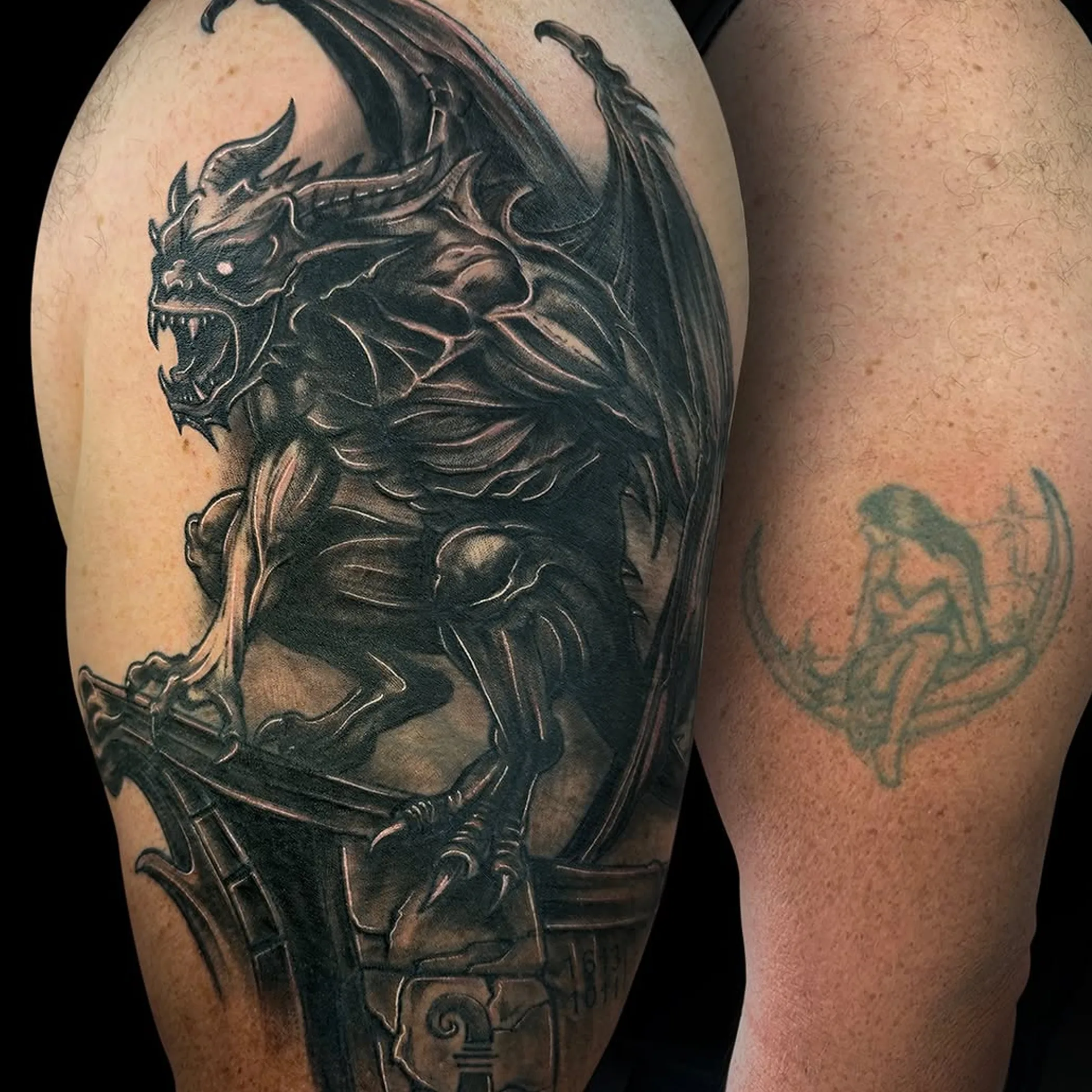
Not in the manner of a concealer. Cosmetic tattooing involves putting pigment in the skin rather than making an existing tattoo disappear with ordinary makeup. While a few practitioners might put forward ink neutralisation or skin-coloured pigment, there is no universal fix. The sun and age and the healing process alter the skin; a match today may not be one tomorrow and more pigment can complicate laser work down the track.
One would do well to find a practitioner with the right qualifications and experience, have the risks spelled out and look at some healed examples. A social media picture under bright lights is no reason to go with a provider.
Permanent Removal
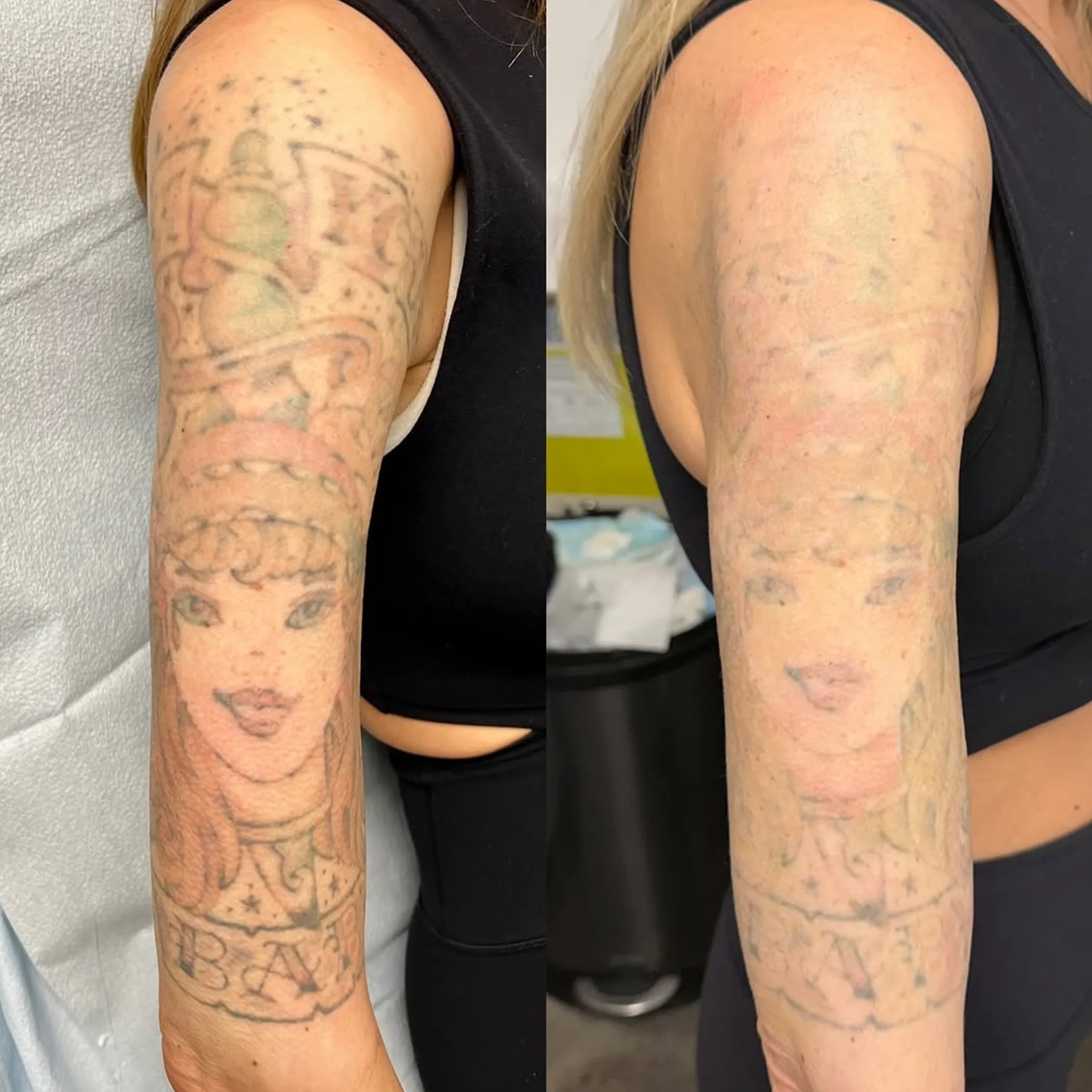
The non-surgical method of choice is usually the laser, which works on the ink so the body can dispose of the fragmented pigment over time. Treatments are put at intervals for the skin to get back to normal.
Then there is surgical removal, where the surgeon cuts away the tattooed skin and closes it up. It is not a quick way to erase a large piece of work and will leave a scar, so it is something to put to a plastic surgeon for consideration if the tattoo is of a modest size. Healthdirect has some sound medical advice on the subject to peruse before making an appointment. Any consultation ought to run through the alternatives, aftercare, risks and what can be expected.
Laser in the Real World
Do not think of it as a one-off. Black ink will not behave as green or blue or yellow does, and a professional job will require more time than an amateur’s lighter hand. Your clinician will be the first to tell you there are no guarantees of total removal.
Put off booking a session until after a big event or a road trip or beach holiday. Depending on how your skin takes to it, the area could be blistered, red or tender. Heed the aftercare advice, keep the sun off it and do not pick at it.
There are practicalities to consider. Is there parking at the clinic, a private room for the consultation, public transport? If you are in pain or have a dressing on, a long walk in the heat is not advisable. You do not want to be on a tram with a fresh treatment site and a backpack strap bearing down on it.
Surgical Excision
This is for select cases, generally a small tattoo where the skin can be brought together without issue. It leaves a scar, not unblemished skin, and the prospect of infection and the need for wound care cannot be overlooked.
Find out who is doing the work and where, what anaesthetic will be given and how they intend to close the wound. The consultation should make plain the chances of the scar ending up wider, raised or darker than you would like.
To Laser or Not
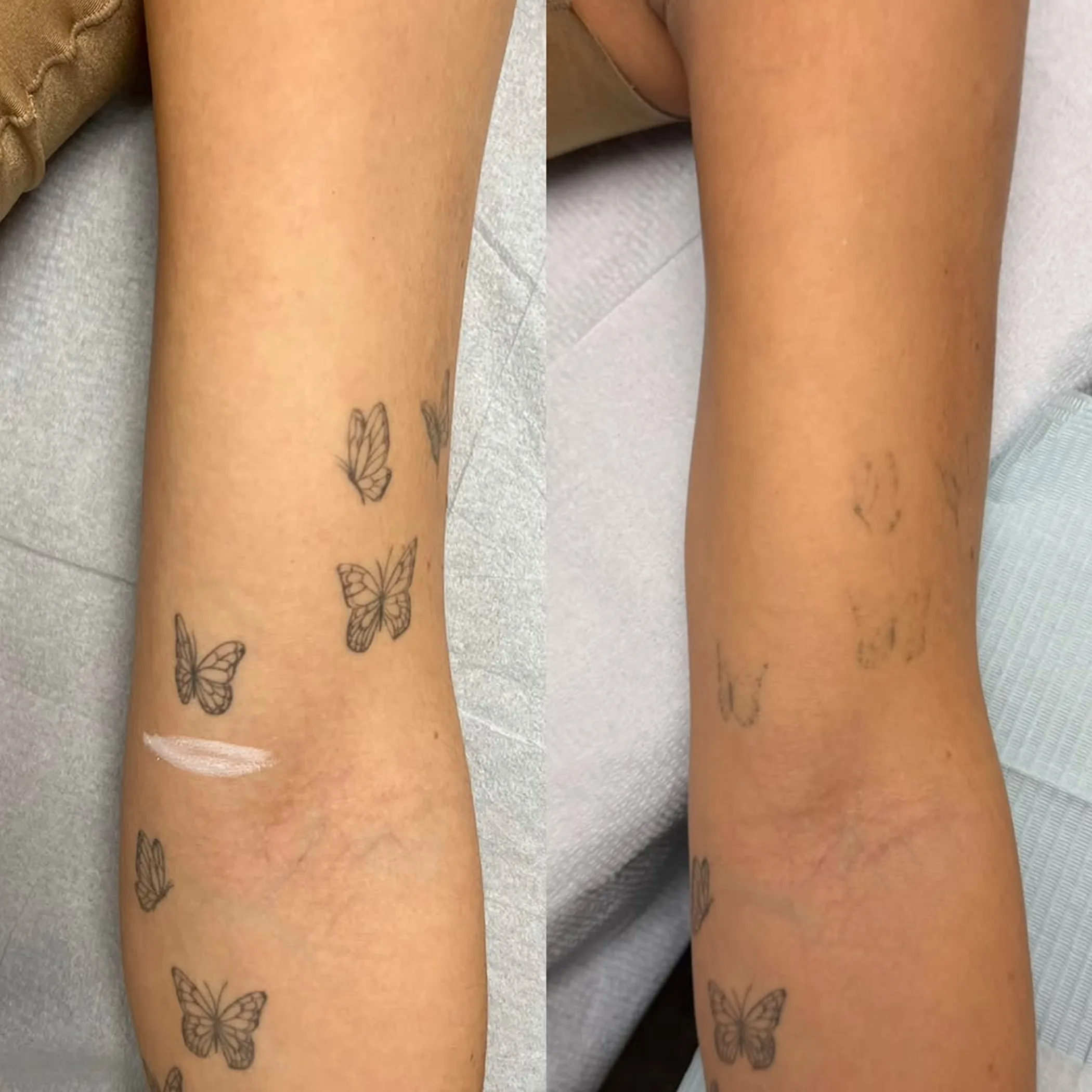
It is a matter of priorities. Surgery will take the skin with the tattoo but put a scar in its place; the laser will slowly fade or eliminate the pigment. Neither will come with a blank cheque for perfection.
| Option | Best Suited To | Key Trade-Off | Practical Consideration |
|---|---|---|---|
| Makeup cover-up | For photographs, work and the odd event | Temporary, prone to transfer | Make time to prepare and have touch-ups |
| Laser tattoo removal | For those who want to see a tattoo fade or be done away with over the course of several sessions | Results are not uniform | Allow for recovery and heed any sun-protection counsel |
| Surgical excision | A means of getting rid of a small tattoo | At the cost of a scar | A medical consultation and some wound care are in order |
| Ink lightening | If a cover-up is on the cards | Not all pigment will be gone | Put the question of timing to both the removal and tattoo experts |
Prices in Australia are quite variable. You could be out tens of dollars or well over a hundred for makeup, contingent on what you are covering and the products involved. With laser work the price is per session, surgery will run up medical and facility bills. Do not go by the headline figure, get an itemised quote in Australian dollars.
Choose Safely For Your Skin
Go with the simplest thing to accomplish what you set out to do. Makeup is the way to go to put a tattoo out of sight for an evening. But a permanent sort of change calls for a proper consultation, not the purchase of some home device of dubious provenance or the cheapest ad on offer.
Any past allergies, keloid scarring, pigmentation issues, a propensity for poor healing or other skin conditions ought to be put before the provider in advance. He or she should be enquiring as to your medical history, what medicines you are on, any prior reactions and how old the tattoo is.
What Most People Get Wrong
Coverage is overestimated and preparation time under. And they are apt to overlook the fact that movement will alter things. A cover-up can look fine when you are standing still but will split if you put on a sleeve or bend the elbow.
You will also see colour corrector put on too liberally. The point is to take down the undertone, not put another colour on show. Should there be any orange or peach showing through the foundation, apply less corrector and put on the skin-coloured layer with more care.
If You Only Have One Day
Put in for a makeup trial a few hours ahead of time. Put on the outfit you intend to wear and put it to the test in daylight with some normal activity and a photograph. When the tattoo is large, in a high-friction spot or has much texture, leave it to a makeup artist who knows how to conceal them.
Leave the laser or surgery for after the event; you will need to recover and in the interim the tattoo may be all the more noticeable. Practicality is better than drama for a day’s result.
Frequently Asked Questions
Is It Possible To Hide A Tattoo?
It is. High-coverage makeup will do the trick for many a tattoo, if only for a while. What you get in the way of results is a matter of the tattoo’s location, size, colour and texture as well as your own skin tone. It is not going to be removed and there is a chance of transfer with water, heat or friction.
How Can I Cover A Tattoo With Makeup?
See the skin is clean and dry then put on a good colour corrector followed by thin applications of full-coverage foundation or concealer. Finish with setting spray and a translucent powder. Make sure the product is in keeping with the rest of the skin and check in natural light.
How Do I Avoid Tattoo Regret?
Do not be in a rush to decide at an appointment. Give thought to the design and where it will sit, whether it suits work attire and if your mind might change. A good artist will talk you through the aftercare, colour changes and how it will age.
What Are The Different Methods Of Tattoo Removal?
There is laser, surgical excision and in some instances procedures to lighten the ink for a new cover-up. What is right for you is a function of the tattoo and your health. Let a qualified practitioner outline the risks, the cost and what to expect.
Can A Tattoo Be Completely Removed?
In some cases it can be very substantially, yet you cannot be sure of complete removal. There may be a ghost of the image left or some scarring and changed pigmentation. Colour, density, depth of the ink and how the skin responds are all factors. Be sceptical of anyone putting forward a 100% perfect outcome.
Make The Look Work For You
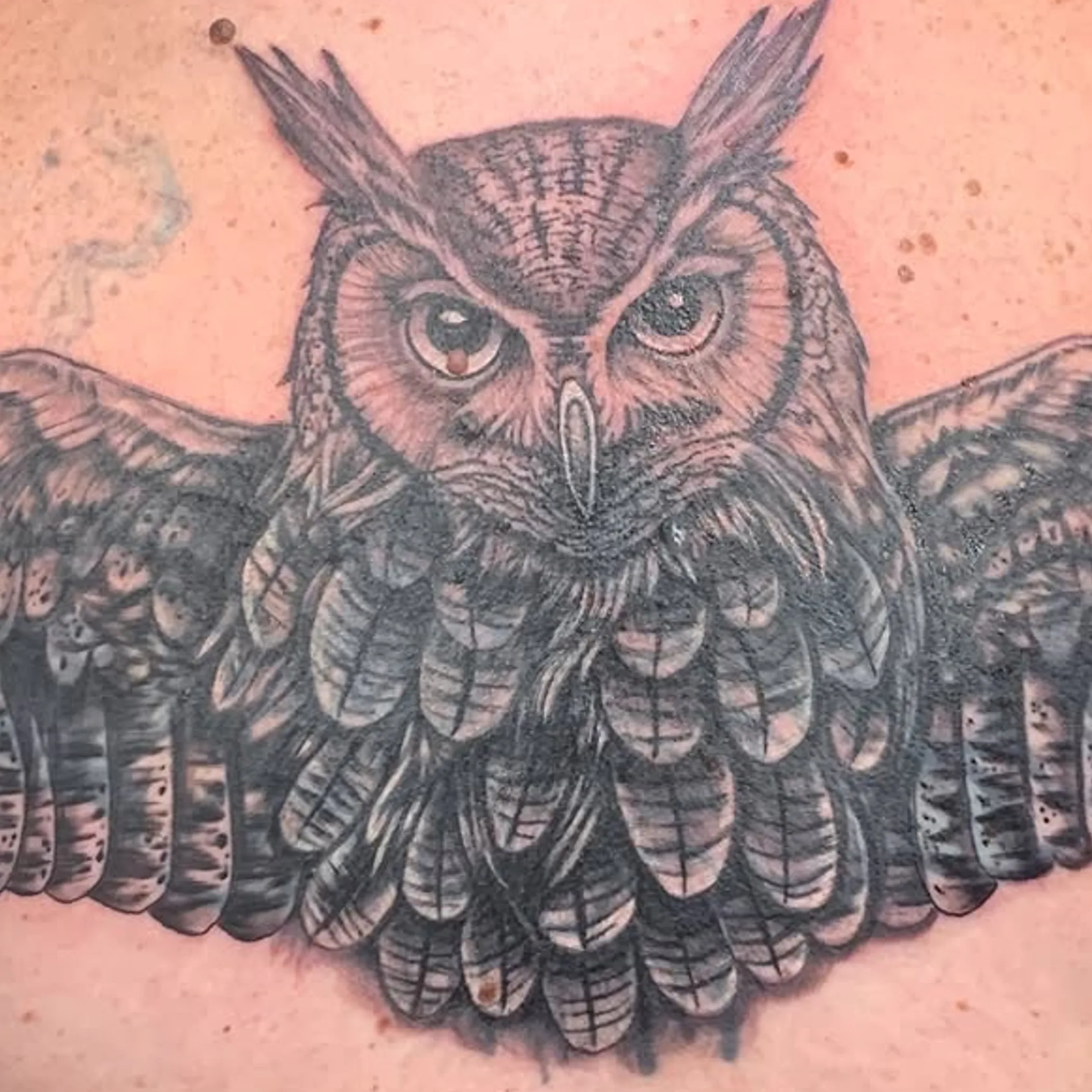
To get the no-tattoo look you want, let the occasion dictate the method. Rely on well applied makeup for temporary measures, and for laser or surgery put in a call to a medical professional.
I would put it this way: ask the hard questions before handing over a deposit, use thin layers and give healing skin the protection it needs. Test early. There is no magic to having a tattoo hidden or faded. A bit of patience and sound information will serve you better than a heavy hand with the foundation and hoping for the best.