In Australia, repairing the skin barrier after cosmetic procedures is an exercise in restraint. When microneedling, laser or a peel have left you with hot, tight, shiny or stinging skin, the way to put it right is not to do more but less. A mild cleanser, some sun protection, a no-nonsense lipid-heavy moisturiser and a pause on any actives will get you there quicker.
Thomas Ashbury here. I have had my share of conversations with clients and clinic staff from all over the country and one thing has become clear: you can put a small fortune into a treatment and still make a hash of the recovery. It is akin to setting off on a coastal drive without water or a hat. But post-procedure repair does not have to be complicated. You only need to know what to shun and when to put in a call to the clinic rather than leave it to chance.
The Barrier in Question
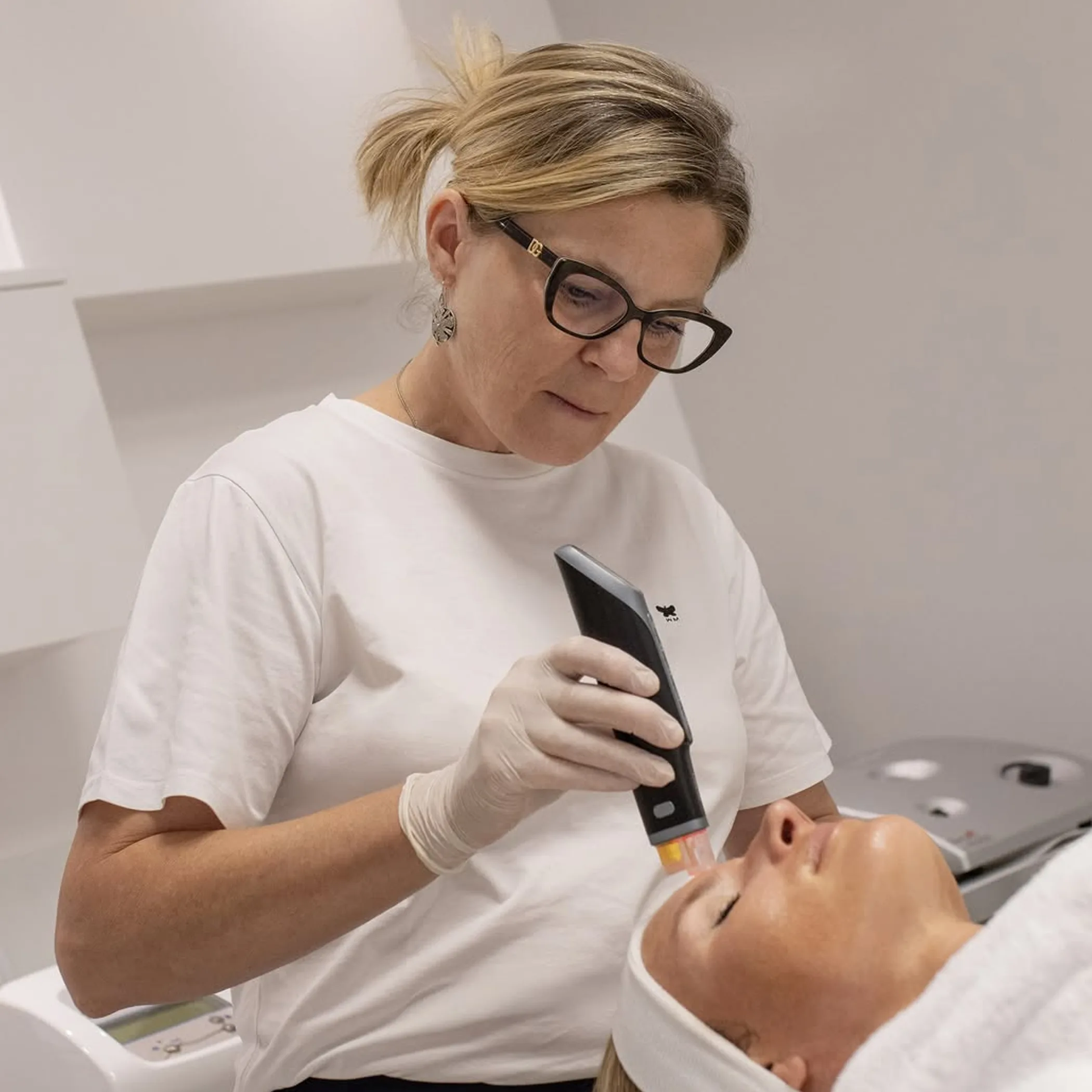
As the outer defence of the skin, the barrier is there to hold irritants at bay and retain water. Do it well and the skin is steady; let it be compromised and you will see the redness and transepidermal water loss, while products that were fine yesterday will have the sting of a mozzie bite you are trying not to scratch.
There is nothing wrong with a cosmetic procedure putting a wrench in the works of the barrier. Laser will bring heat and inflammation, peels hasten the shedding and microneedling inflicts a micro-injury by design. It’s essential to know the microneedling recovery essentials. The art is in respecting that and providing the moisture barrier with what it requires to put itself back together.
What a Treatment Will Do to Your Skin
Afterwards, skin is quick to lose water and will not take kindly to UV, friction or as many ingredients as before. Whether you are looking at how to recover from a peel or microneedling, the logic is identical: put the “helpful” actives aside, replenish lipids and water, be gentle and stay out of the sun.
Expectations are where people go astray. What may seem unassuming on social media is not what you will find at home. In reality a good treatment can have you feeling prickly or papery for days, a function of the device, the climate, the strength of the peel and your own sensitivity.
The First 48 Hours
Many a recovery goes sideways in the first day or two so this is the time to be circumspect. Forgetting about the glow and attending to reducing any irritation or heat is what is called for. And in these parts with the dry air, the UV, a hot car or a trip to the beach, you have to be mindful or the process will be protracted.
Priorities for Immediate Recovery
For the next 24 to 48 hours the skin should be kept cool and lightly moisturised. Hot water is out, as are saunas, steam and hard exercise. Heed the aftercare from your practitioner above all else since depth and settings are factors. If you are to use a cleanser, do so gently and only if the clinician gives the nod; with some procedures you will wait until the evening or morning after.
- A thin application of a barrier balm or supportive moisturiser is preferable to making a show of five different products.
- Retinoids, AHAs/BHAs, strong vitamin C and scrubs are to be put on hold until the skin has settled and you have been given the all-clear.
- Make sure your phone screen and towels are clean. Fresh skin does not want the drama.
Keep it Simple
Take it from me, Thomas Ashbury, a routine that is unremarkable is the best one for recovery. Put off the fancy layering. What procedure skin wants is consistency and something to breathe.
Cleanse, hydrate, moisturise, protect. There is no call for twenty steps, two or three will do in the early going.
Do Not Strip the Skin
A non-foaming or very mild wash will do to get the residue off without making it squeaky, which is not so much clean as stripped. Go for fragrance-free where you can, particularly if there is redness to be seen. Most people err in washing too often; unless you have been instructed to do otherwise, twice is sufficient. To put right an oily complexion with a midday cleanse is not the answer; it will only compound any dehydration or irritation.
Hydrate And Seal
A hydrating serum of the non-irritating, simple variety can be of service. Hyaluronic acid to put some water in the skin and then a lipid heavy moisturiser to check transepidermal water loss is one way to go. In effect you are adding water with the former and the latter is there to stop it from going where it should not.
Then there is the matter of barrier repair. For those who have had a medium peel or laser work done, a cream for this purpose is likely to do more good than a number of serums. One can get them without trouble at Adore Beauty or Mecca in Australia, or through a clinic. Avene Cicalfate+ or La Roche-Posay Cicaplast Baume B5 are much talked about in aftercare, as are Mesoestetic Fast Skin Repair, Alhydran Barrier Repair Care and Biretix Isorepair. What suits you is down to your practitioner’s opinion and the treatment itself though.
Put Some UV Protection On
The Australian sun and new skin do not mix. If you are out of doors you want broad-spectrum sunscreen and a hat and some shade. Mineral SPF 50 is better tolerated when the skin is in a sensitive state than a product with all its extras and fragrance.
There is no getting around post-procedure sunscreen habits. Health advice in Australia is plain that with a UV Index of 3 or more damage is done in 15 minutes. The guidance from Healthdirect Australia on sun safety is a sound local source for what is needed.
Ingredients Worth Having
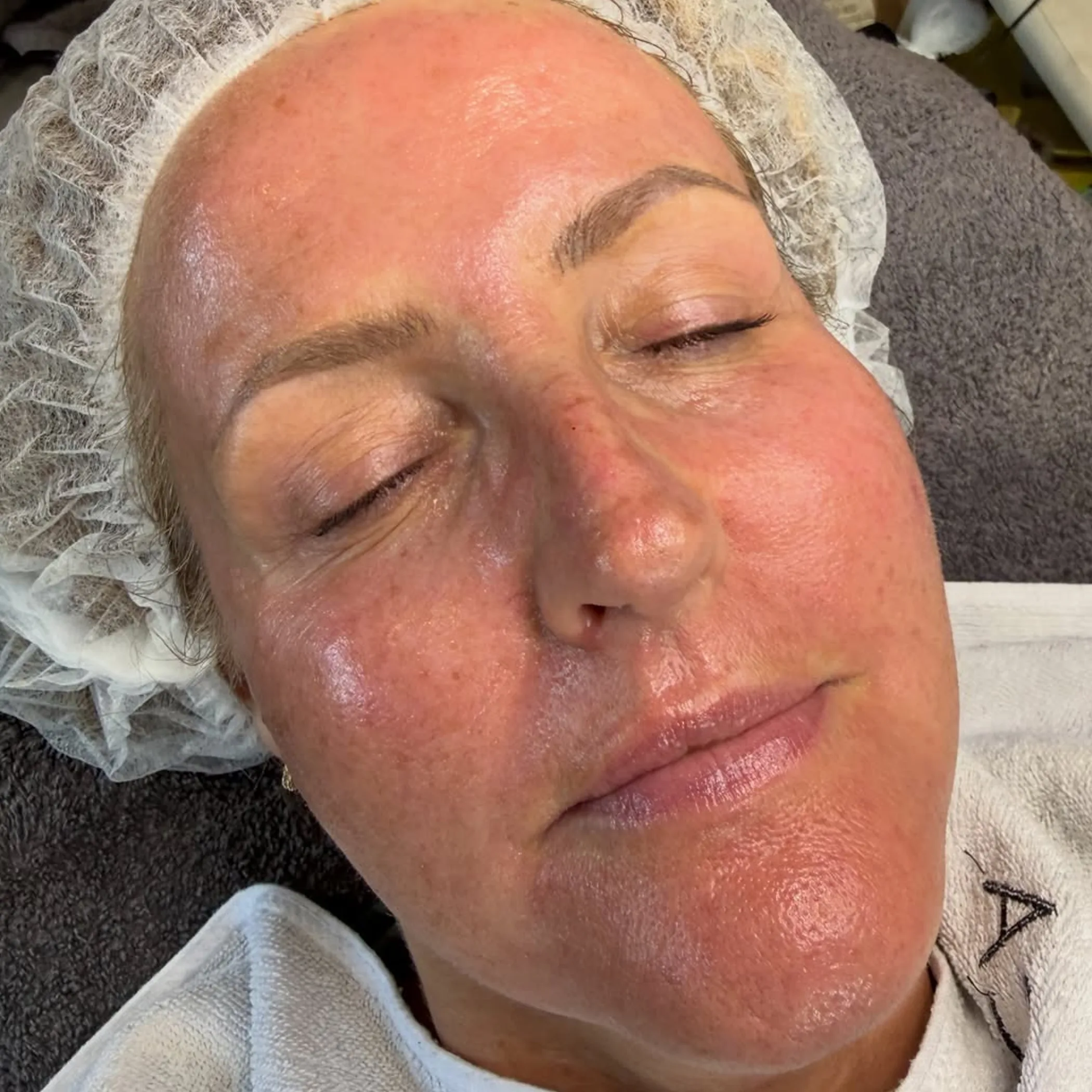
Some soothing ingredients make claims they cannot back up, but a few are useful in repairing the skin barrier after a procedure. It is not about miracle marketing but making the healing skin comfortable so there is no temptation to pick at it and to lower the irritation.
Read the label and you will find it can be a noisy business. In the first week a formula that is not heaped with botanicals, acids and fragrance like sardines is easier to deal with.
What Does The Job
Ceramides are important for putting key lipids back in the stratum corneum. Panthenol is a humectant and has a soothing quality. Squalane will soften as an emollient without being too much of a burden. With redness more of a concern than flaking one will see madecassoside and centella asiatica put in for their calming effect. You may hear mention of products from Paula’s Choice, CUSKIN or even Lancôme Australia and The Body Shop in pharmacy or clinic, but the brand means little compared to the ingredient profile and how the skin is reacting.
| Ingredient | Main Job In Recovery | Best For | Watch-Out |
| Ceramides | Replace barrier lipids | Dry, flaky and tight skin | Put in a well-formulated cream for it to work properly |
| Panthenol | Humectant and to soothe | Redness, mild irritation | Patch test is still advisable |
| Hyaluronic Acid | To attract water | Dehydration | Will be tacky or not enough if you do not put a moisturiser over it |
| Madecassoside / Centella Asiatica | Calming for reactive or flushed skin | Reactive or flushed skin | Some complex blends of botanics can be irritating |
| Squalane | An emollient to cut moisture loss and soften | Rough, tight texture | Overdo it on acne-prone skin and it will be rich |
Stay Clear Of Trouble
It is unglamorous but it spares you grief. A lot of barriers are undone by people who spot some congestion or flaking and think exfoliation is the fix. More often than not it is not.
Less is more for a time. Actives should be put aside until the skin has settled and your practitioner gives the nod. Retinoids, benzoyl peroxide (absent specific instruction), physical exfoliants, cleansing brushes, strong vitamin C and masks with fragrance are irritants in recovery. They may well sting on compromised skin even if they normally would not. That is a question of timing, not that the product is to be shunned for ever.
I have been told this tale: put some money down on a peel and then apply an acid toner on day two in the belief one is hastening matters. What happens is a healing process that was manageable becomes something of a long and angry affair.
Microneedling

You will hear talk of microneedling recovery essentials but they are nothing fancy. Make sure the area is clean, stay off the heat and sweat for a while, hydrate and put on protection from the sun as if your skin were not in the mood to be persuaded otherwise.
There is a certain mildness to microneedling that can be misleading given the small size of the punctures. In truth, it is the microchannels and the vulnerability they put in the skin for a time that are of consequence. How long one takes to recover will be dictated by the technique, device and depth of the procedure.
The First Two Weeks
For the first couple of days one might expect some swelling, tightness and warmth along with redness; think of it as a sunburn at an inopportune moment. Between day 2 and 5 there could be roughness or a bit of flaking, or that peculiar shine some would call a “glow”. Most have returned to normal by week one unless the session was of a deeper nature.
Then again, not everyone’s timeline is the same. If you are at Shape Clinic or taking counsel from Dr Kevin Ho on your treatment, aftercare may vary according to the intensity of what was done and any adjunct products in play. It is also worth confirming your clinician is registered as per Australian rules and with AHPRA, the national regulator for health practitioners.
| Recovery Window | What is common | What helps | What to avoid |
| 0–48 Hours | Redness, heat, a sense of tightness. | Barrier cream, gentle hydration and staying out of the sun. | The gym, hot water, makeup (if so told), actives. |
| Days 3–7 | Sensitivity, dryness, light flaking. | Panthenol, ceramides, a non-foaming cleanser. | Acids, scrubs and picking at the flakes. |
| Weeks 2–6 | As the barrier settles and texture improves, stick to a steady routine and sunscreen while you carefully bring back your actives. | Steady routine, sunscreen, careful reintroduction of actives | Do not try to do it all at once. |
Healing Markers
It is not a matter of time alone but of the quality of the improvement. A barrier in good repair will not have that over-polished sheen or sting. To see if you are on track, note whether the redness and warmth are subsiding, if a basic moisturiser is better tolerated and cleansing is more comfortable. Properly healing skin need not be flawless.
Normal And Otherwise
Over 14 days some redness and sensitivity is to be expected, settling fully in 2 to 6 weeks. The mistake is to think any redness that lingers is part of the process. Some of it is, but if it is getting worse, it is not.
Should the week have been rough and life demanding, make sunscreen and moisturiser your first order of business. On a tight budget, get a decent gentle cleanser and some sun protection rather than premium extras.
Sun In Australia
In this country post-procedure skin demands more of you in the way of sun habits. Freshly sensitised skin does not take kindly to a bright day by the window or even a quick run to the chemist or school.
A broad-spectrum SPF 50 is the sensible option here, mineral being of preference when the skin is very reactive. But that is not enough in itself. Put on a hat and sunglasses, find some shade and steer clear of peak UV, something of practical importance after peels or laser work.
And while some will put on an SPF makeup and consider it done, that is rarely sufficient. Consider it an added layer. You do not want patchy application on skin that has just been treated.
Contacting The Clinic
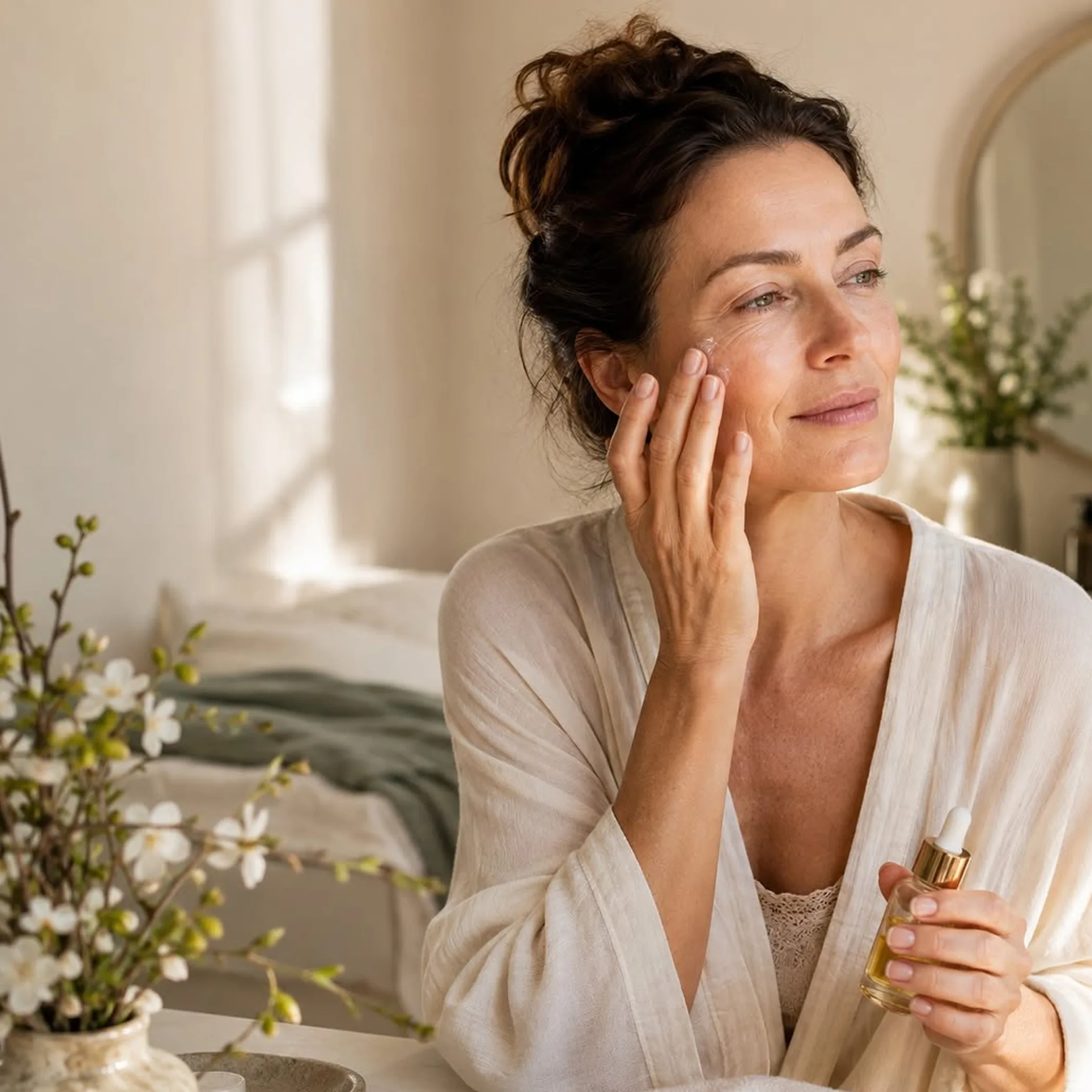
While most put in no effort to recover, there are occasions when waiting is unwise. A practitioner will want to know if symptoms are not running their course. It is easy for red flags to be confused with normal healing at the outset. What tends to set one apart from the other is a matter of severity and how persistent it is, or if symptoms are on the up rather than abating.
Red Flags
There are some things you should not overlook. Promptly put in a call to your practitioner for any of the following: pain that is getting worse, redness spreading, pus, honey-coloured crusting, a fever, pronounced swelling, blisters, an itching that is hard to bear, a rash of any size, a cold sore making an appearance, or skin that turns more inflamed after you thought it was better. Should you feel unwell or the symptoms are anything but mild, make it urgent and get medical attention.
- A good way to let your practitioner assess how things are changing is to take a clear picture in decent light every day if concerns arise.
- And do not be tempted to self-medicate with acids, steroid creams or whatever the internet puts forward as a solution unless a clinician has given the nod.
- If your treatment was at the hands of someone not in the medical profession, ask about their credentials and scope without hesitation. You would be right to care about regulation.
The Bottom Line
For the pithy version of this guide, read on. Post cosmetic procedure calls for a no-nonsense barrier repair plan: cleanse gently, hydrate and put a seal on the moisture, put up a defence against UV and put the actives back in the drawer until the skin is of a calm disposition. Most will find this works well enough for post-microneedling, a good deal of post-peel recovery and the early stages of mending a skin barrier after laser.
As Thomas Ashbury would put it, the recovery is seldom the glamorous bit yet it is what will determine if the results of your treatment put in a good showing or become protracted. Resist the urge to “optimise” for a couple of weeks, be consistent and a little boring. Your face does not need a hero complex to get by.
Frequently Asked Questions
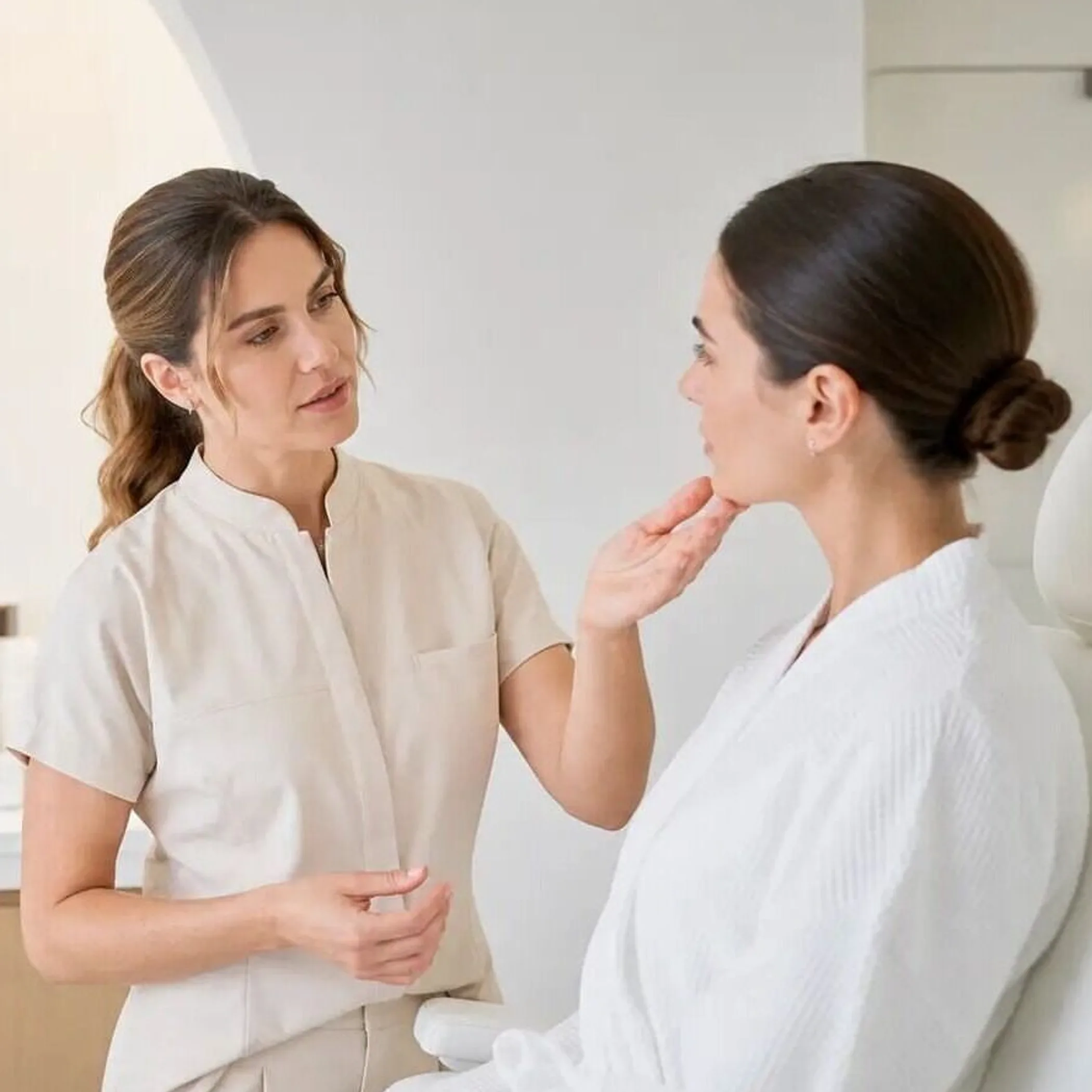
When a treatment has left the skin feeling tight or reactive, or just plain fed up, these are the sort of questions we hear.
Can you repair a damaged skin barrier?
In many instances you can, or come close to it, particularly if over-exfoliation or a cosmetic procedure is to blame. The idea is to put away irritants and go with a gentle cleanser and a moisturiser to support the barrier, something with ceramides, squalane or panthenol in it, while shielding from UV. Of course, where there is infection or an underlying condition of the skin, a review by your practitioner is in order.
How long is the process for the face?
It can be a matter of days to two weeks for a mild case. But if the irritation is of a higher order following a procedure, expect two to six weeks for it to settle; the depth of the treatment and your skin type will have a say, as will climate and whether you are aggravating matters with sun or actives. Hence the microneedling recovery timeline is put in stages instead of a hard and fast number of days.
What are you looking for with a damaged barrier?
You will see redness, stinging, roughness, flaking and perhaps an odd sheen. It is common to have increased sensitivity and for products you are used to to start burning. Some dryness and redness are par for the course in the first instance after a procedure but do not turn a blind eye to discomfort that is worsening or inflammation on the spread.
Is there a best product for the job?
Not one that suits all. Generally speaking a straightforward, fragrance-free moisturiser that is suited to your skin’s response and the treatment is what you want. In Australia one might talk up La Roche-Posay Cicaplast Baume B5, Avene Cicalfate+, Mesoestetic Fast Skin Repair, Alhydran Barrier Repair Care or Biretix Isorepair for recovery, but put your practitioner’s opinion before that.
Retinol, Vitamin C or acids, when can I get back to them?
Only once the visible redness is gone and a basic moisturiser does not sting. A week for some, longer for others who have had a more forceful peel or laser. And do not put the whole shelf back in play at once, restart an active here and there and stick to the aftercare your practitioner has laid out.