Best Time to Hike the NT Outback
Make it the right season
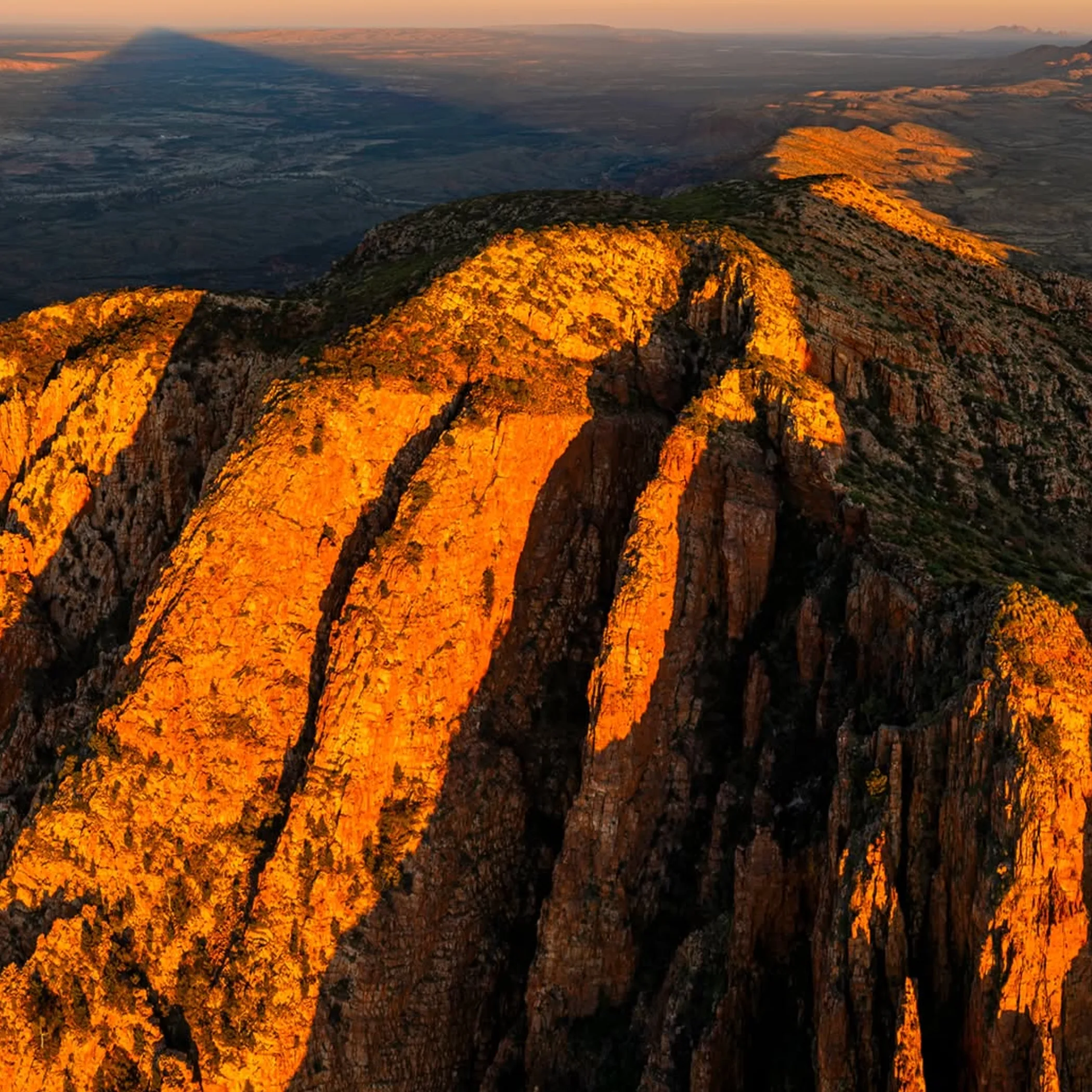
When it comes to Northern Territory travel, the dry season of May through October is by and large the best time for an outback hike. With its cooler climes, less humidity and dependable trails under clear skies, this is the most comfortable and safe option for the majority of visitors.
That said, where you are headed will dictate the ideal time to be on the move in the Northern Territory. The Top End, in and around Darwin and Kakadu National Park, has a tropical wet season; the Red Centre of Alice Springs will have cold nights in winter and very hot days come summer. Thomas Ashbury, who has put together Australian itineraries for years, is quick to point out to any visitor that the Northern Territory is vast and the weather can make or break your experience.
Plan your walking for between May and September as a rule. The Red Centre is fine in October but the Top End can get humid and warm. April and May are shoulder months with some appealing conditions and not so many other people about, though one should expect variability in access, heat and rain.
The appeal of the dry season
There is a practical side to why so many choose to hike in the dry season in the Northern Territory. You will find the tracks firmer and the roads more open, and with the humidity down a long day out is something you can put up with instead of being put in a slow roast by a camping oven. For planning, see the Larapinta connectivity update.
Then there is the matter of visibility and being able to plan ahead. Clear skies are to be had, making for good sunrise starts and pleasant evenings to look at the stars. Some waterfalls do not have the force they do after the wet season has passed, yet you will be able to get to a number of walking routes with greater ease and safety.
A question of region
In the Top End the climate is tropical. During the wet season Darwin and Kakadu National Park will see their share of thunderstorms, flooding and intense rainfall alongside high humidity. Rainfall is much in evidence from May to October but drops off sharply, leaving daytime conditions better suited to hiking.
The Red Centre is drier if no less of a test. You might have a nice winter’s day in the West MacDonnell Ranges or Alice Springs but be prepared for a cold night. Put in a summer’s hike and you risk heat illness on exposed ground in the extreme.
The numbers bear it out. A year in Darwin will bring 1,500mm of rain or more, mostly in the wet season, compared with a few hundred millimetres for Alice Springs. They are averages and no guarantee, but they are why a single plan for the NT will not do for every part of it. Check the Bureau of Meteorology for seasonal patterns and forecasts before you leave.
Hiking the Top End
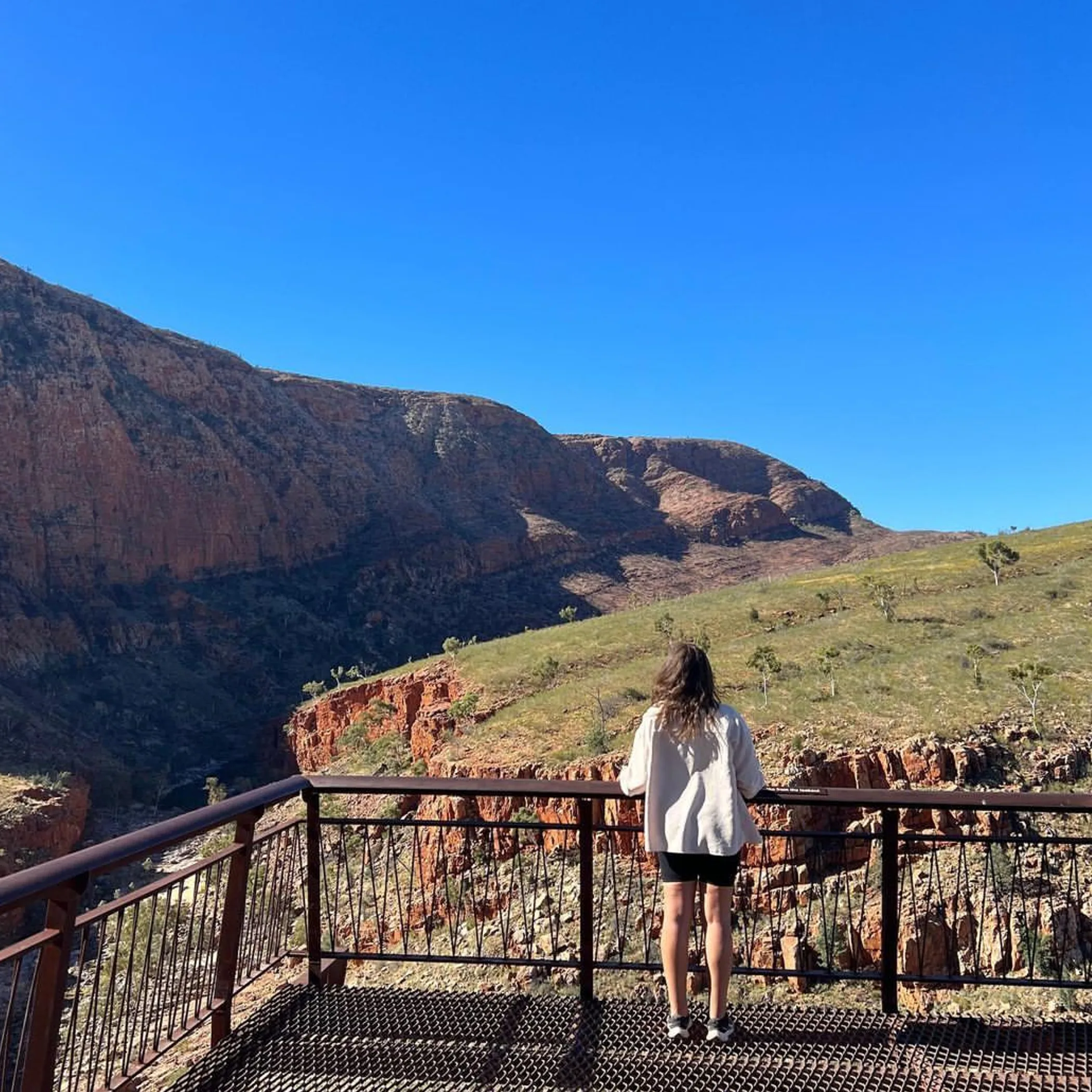
May to August tend to be the most agreeable for a walk in the Top End; it is still warm but without the disruption of rain and with lower humidity. September and October have their merits but the heat will be on and exposed tracks are harder going.
For a destination like Katherine, Kakadu or Darwin the dry season gives you the best of both worlds in terms of comfort and access. Do book your accommodation and tours in advance, school holidays and the winter travel season can be busy.
On the Jatbula Trail
One of the finest multi day hikes in the territory is the Jatbula Trail. It runs along the Arnhem Land escarpment’s western edge from Nitmiluk Gorge to Edith Falls, taking in camping, rock and swimming holes.
Do not rush it, give the track a few days. With the uneven ground, the weight of your pack and the need to stop for a swim you will not cover as much ground as on an urban path. Make sure you have your water and transport sorted, and permits and campsites in order. As a one-way affair you will want a shuttle pre-arranged for when you finish.
It is the distance and the heat that gets to people. On paper the kilometres are not onerous but with a full pack and midday conditions on a rough track it becomes a slog of a day. Be serious about your water, rest in the shade and get an early start.
Kakadu’s tracks
You will find some of the best hikes in Kakadu National Park here but then again access is subject to the road, the creek level, whether a track is closed for the season and so forth. There are longer walks near the main visitor areas as well as short lookouts, rock shelters and routes up the escarpment. While the dry season is your best bet for access, one should not assume all tracks are open. An open road yesterday can be closed today, so it is prudent to read the park notices before you put a car on the drive, in the event of any storm or fire activity. Humility is its own reward in outback planning.
For Kakadu from Darwin there is no more flexible arrangement than a hire car, but an organised tour will see you without the tedium of long-distance driving. Do not be in a hurry; the map may understate the time required when you have to contend with road trains, gravel, roadworks and the odd wildlife stop.
Red Centre Walking Window
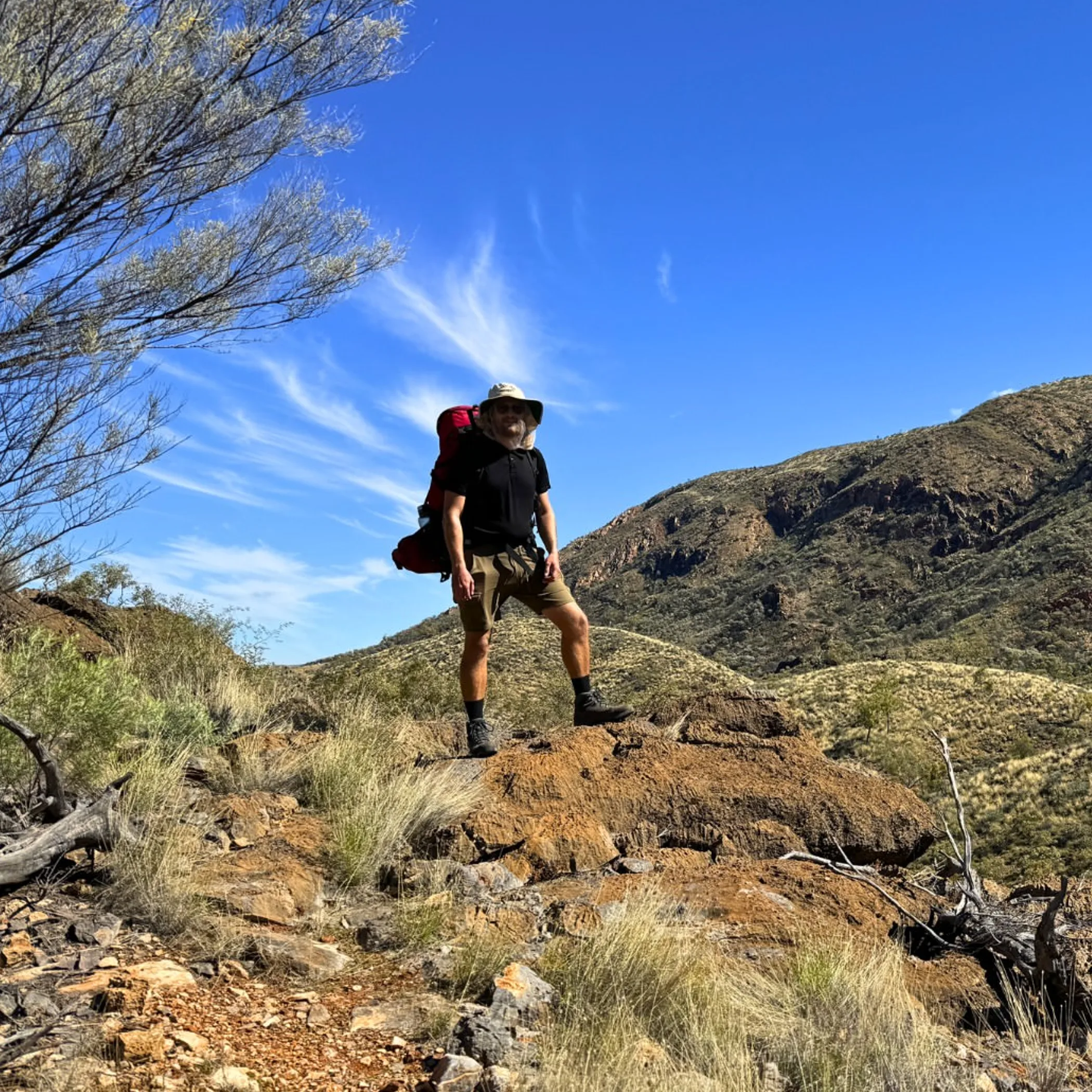
April through September is as good a time as any to be on the Larapinta Trail, the coolest of conditions being had between June and August. In the West MacDonnell Ranges winter means cold nights at an exposed campsite and mild days after a crisp morning. The experienced walker who is ready for the heat can make October and November work. But from December to February a long exposed trek is unwise: temperatures get to dangerous levels, you will need more water and if emergency help is needed it is a long way off.
Larapinta Trail Reality Check
Do not mistake the Larapinta for a leisurely stroll with a bit of red scenery; it is a multi-day trek of some seriousness. There are steep climbs, rocky ground, dry creek beds and little in the way of shade. Factor in the heat, meals and time for photography and navigation when you set your daily distance.
There are points of access near the West MacDonnell Ranges and Alice Springs for those with a day or three to put in a section of the trail. Mind your vehicle logistics in these point-to-point areas where mobile reception is thin to non-existent. I have seen it often enough in my time of putting together regional itineraries for travellers: they make the error of thinking their driving time is walking time. It is not. Arriving late at a trailhead from a long Alice Springs run with a pack on your back is not safe for an afternoon. Make the transport plan fit the route, not the other way round.
And do not put your faith in a phone for navigation or emergencies without first consulting the latest connectivity update for the Larapinta. Have a power bank that is charged, an offline map and a device fit for remote use.
Tabletop Track Conditions
Experienced walkers will find the Tabletop Track in Litchfield National Park a fine proposition. You will come across forest, camping and creek crossings, though rain has a way of altering the going. The dry season is the sensible option with lower creeks and roads you can rely on, even if the open parts get hot. It is not a place for a novice’s first multi-day trek unless he has the equipment and the know-how to navigate at a proper pace.
| Destination | Best Window | Typical Challenge | Good For |
|---|---|---|---|
| Jatbula Trail | May to September | Heat, one-way logistics and the weight of a pack | Experienced multi-day walkers |
| Kakadu National Park | May to August | Remote access and seasonal closures | Organised tours and day walkers |
| Larapinta Trail | April to September | Water planning, exposure and rocky ground | Prepared trekkers and section walkers |
| Tabletop Track | May to September | Camping, creek crossings and navigation | Experienced bushwalkers |
Consider these windows a guide to practical planning, nothing more rigid. Before you go, look over the park alerts and fire information and the like.
Wet Season Walking Limits
The wet season has its spectacle but is not what you would normally opt for in the outback. Between November and April in the Top End you have to put up with high humidity, lightning and the possibility of cyclone alerts, not to mention flooded roads and slippery rock. A short walk around Darwin might be on the cards but things can turn quickly. Tracks are shut down for fire or wildlife hazards and swimming is out of the question with crocodiles about. Heed the signs and what the park says, do not go by what was done last year.
When Wet Season Works
A visitor with a mind for quiet roads and green country and who does not mind a dramatic storm can make of it what he will. Provided there is no hard and fast plan for a remote trek and accommodation is flexible. But for the inexperienced with camping gear heading into isolated country it is not suitable. The mud and lack of shade will wear you down more than the miles indicate. A local walk with an early return is the better part of valour.
In the Red Centre the summer heat is the main issue. An early start will lessen the exposure but not the risk. If it is not safe, put off the walk. Watch over the group and stay clear of the day’s hottest hours.
Choose A Suitable Route
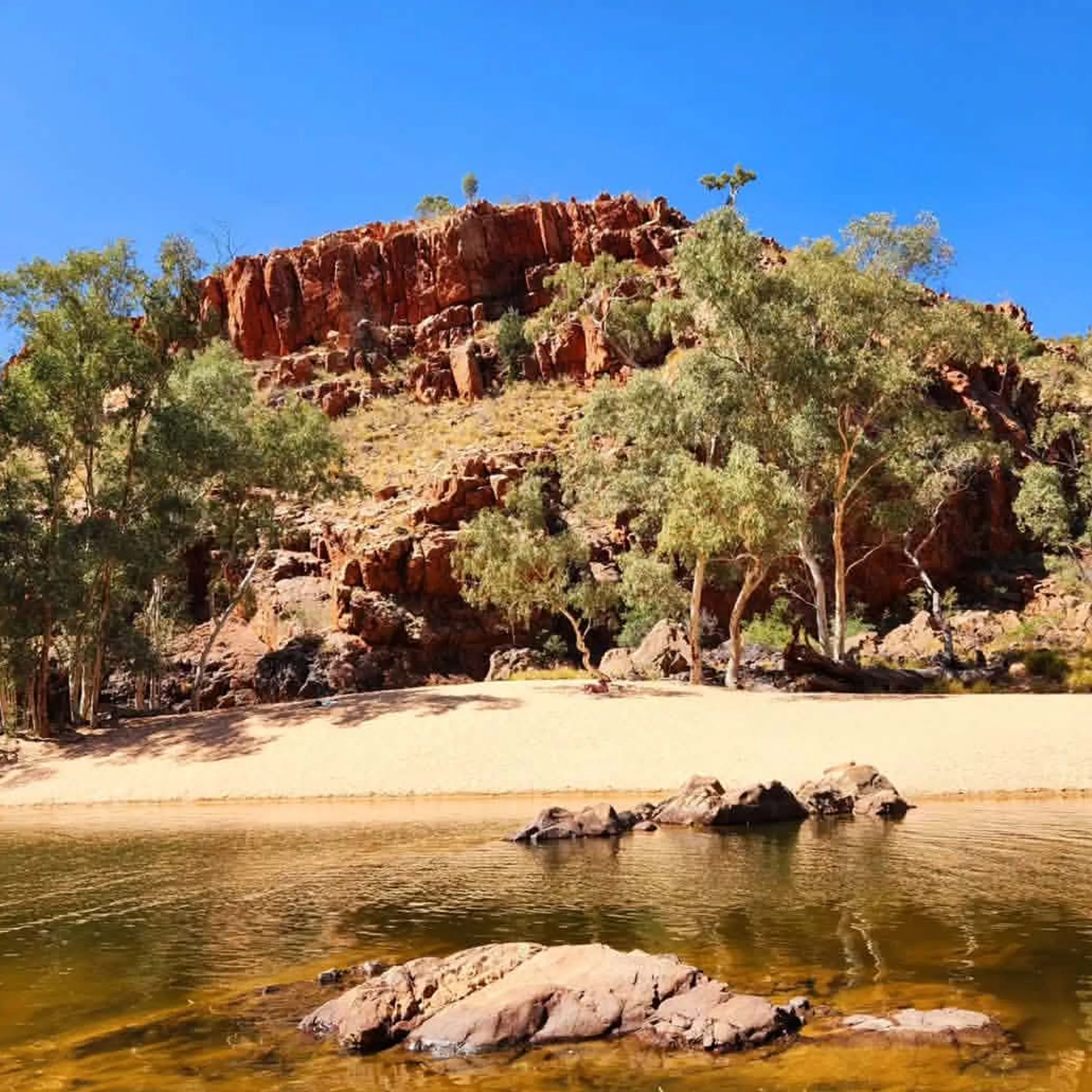
What makes for a good hike is a function of one’s experience, how much time there is and an ability to put up with the rougher side of things. You will find a day walk with some scenery close to a visitor centre will do for most travellers; remote tracks are another matter, calling for self-reliance, water discipline, first aid and navigation skills.
Then there is the question of what you expect and what you get in reality. An NT track described as “short” can be all rock and exposure and a slow going. The “cool” of a winter morning has a way of turning hot by late morning. Or a trailhead that seems nearby could mean hours on a road behind a road train that has right of way and no concern for your schedule.
If You Have One Day
Make it a well-marked walk in the vicinity of where you are based. In the Alice Springs area, put in a section of the West MacDonnell Ranges that is within your fitness and be back before the afternoon heat sets in. For an open day walk around Darwin or Kakadu National Park, make sure access is in order before you go.
There is no point in trying to cram a multi-day remote route into a single day. Be done with a solid walk and have a firm deadline for your return, leaving room for the odd stop. A day hike is best when you have the energy left over to boil the billy and put the story across.
Who Should Avoid Remote Tracks
You should not be on a remote track without a plan for evacuation, emergency comms, sun protection, the means to navigate and enough water. Those with medical issues that are not under control, who cannot take the heat or have not done much bushwalking would be better off on a guided or more modest route.
Families can make the most of a Northern Territory walk but need to be conservative in their choice of route. Long distances between facilities, uneven terrain and the heat can be too much for young children or older members of the party, or anyone not fully recovered from an illness.
A Safe Hiking Plan
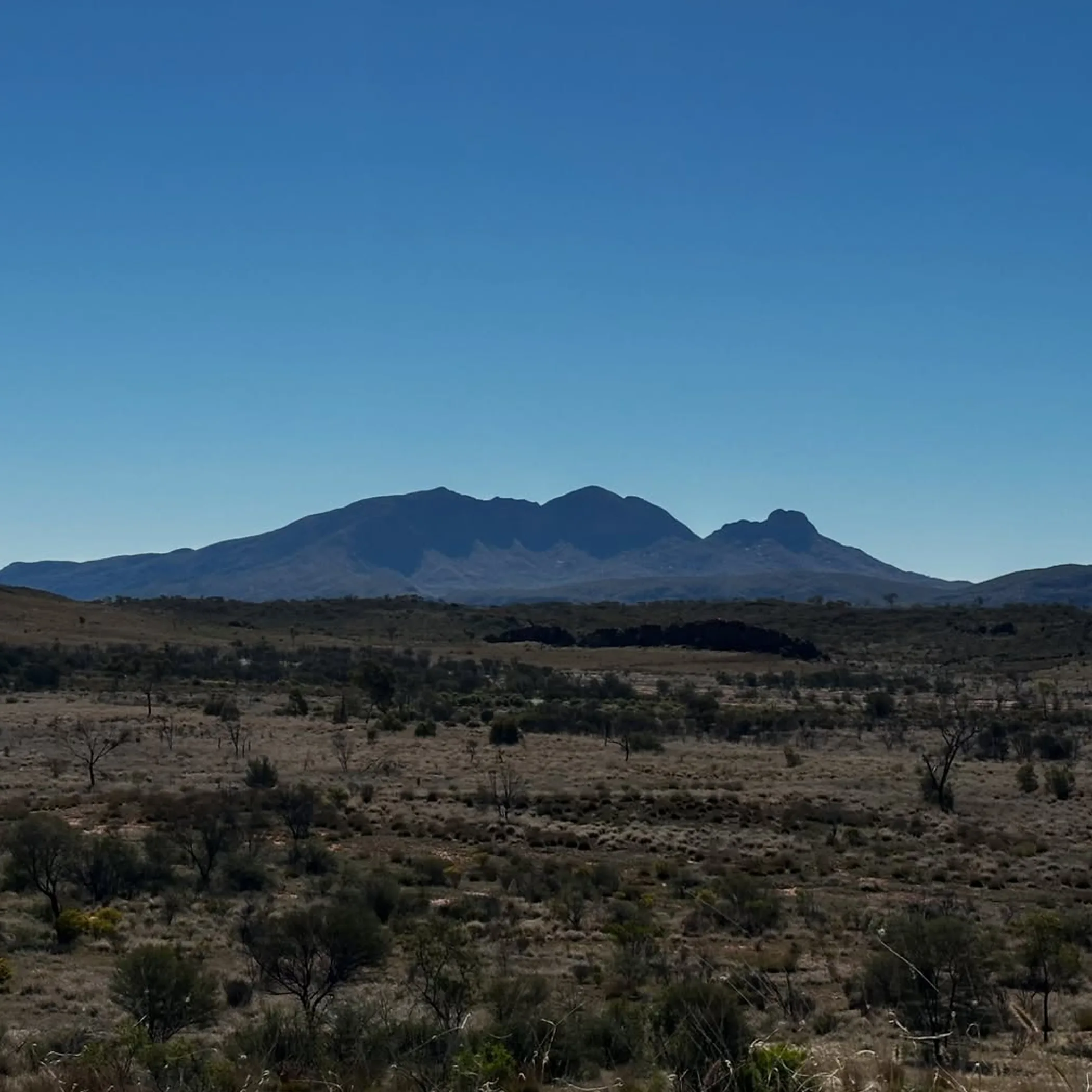
Safety in the outback is put in place at the accommodation. Make it known where you are going and when you will be back, look at the weather and any closures and accept that once you are out of town the phone will likely go dead.
Do not count on travel insurance to do the work of preparation. While a policy has its uses, some will have exclusions for unsupported trekking and remote rescues are not always easy, quick or cheap. Read the fine print.
- Heed the park alerts, fire restrictions and warnings of all kinds.
- Take on more water than the description of the route would have you think necessary.
- Get an early start and make use of the shade.
- Have your offline maps, a first-aid kit and an emergency device to hand.
- Keep your distance from wildlife and do not go where there are crocodile warnings or in closed country.
- If the going gets unsafe through injury, storms or simply because of the heat, turn around.
And do not forget to plan for fuel. Put food in the vehicle for any delays and do not presume the next service station will be doing business. When you add in transport, park fees, camping gear and the like, a short self-guided trip will run you several hundred dollars a head in Australian currency as a rule of thumb; private transfers and the like for a multi-day tour will set you back considerably more.
Packing for the Heat and Distance
Do not let a picture on some tourism website dictate your packing list; it is to be determined by the route and the season. In the heat one will want to go with something light, but come winter in the Red Centre a good insulating layer for the nights is a must.
- For a day walk of modest length, plan on two or three litres of water apiece, though you will need to make room for more on a hot or remote outing.
- Have at hand a wide-brimmed hat, sunscreen, sunglasses and long-sleeved clothing that can breathe.
- Footwear should be of a sturdy nature, as should your supply of first aid, blister treatment and a head torch.
- An offline map, compass, power bank with charge and an emergency comms device are in order.
- Do not forget food, electrolytes, rubbish bags and a rain layer of the lighter kind.
- For those cold winter nights there are warm layers, gloves and a sleeping system.
If you are going where coverage cannot be relied upon, put a satellite messenger or personal locator beacon in your pack and make sure your emergency contact knows the procedure should you fail to check in. A paper plan has its uses when the phone is flat or has gone missing.
Hiking Questions You May Have
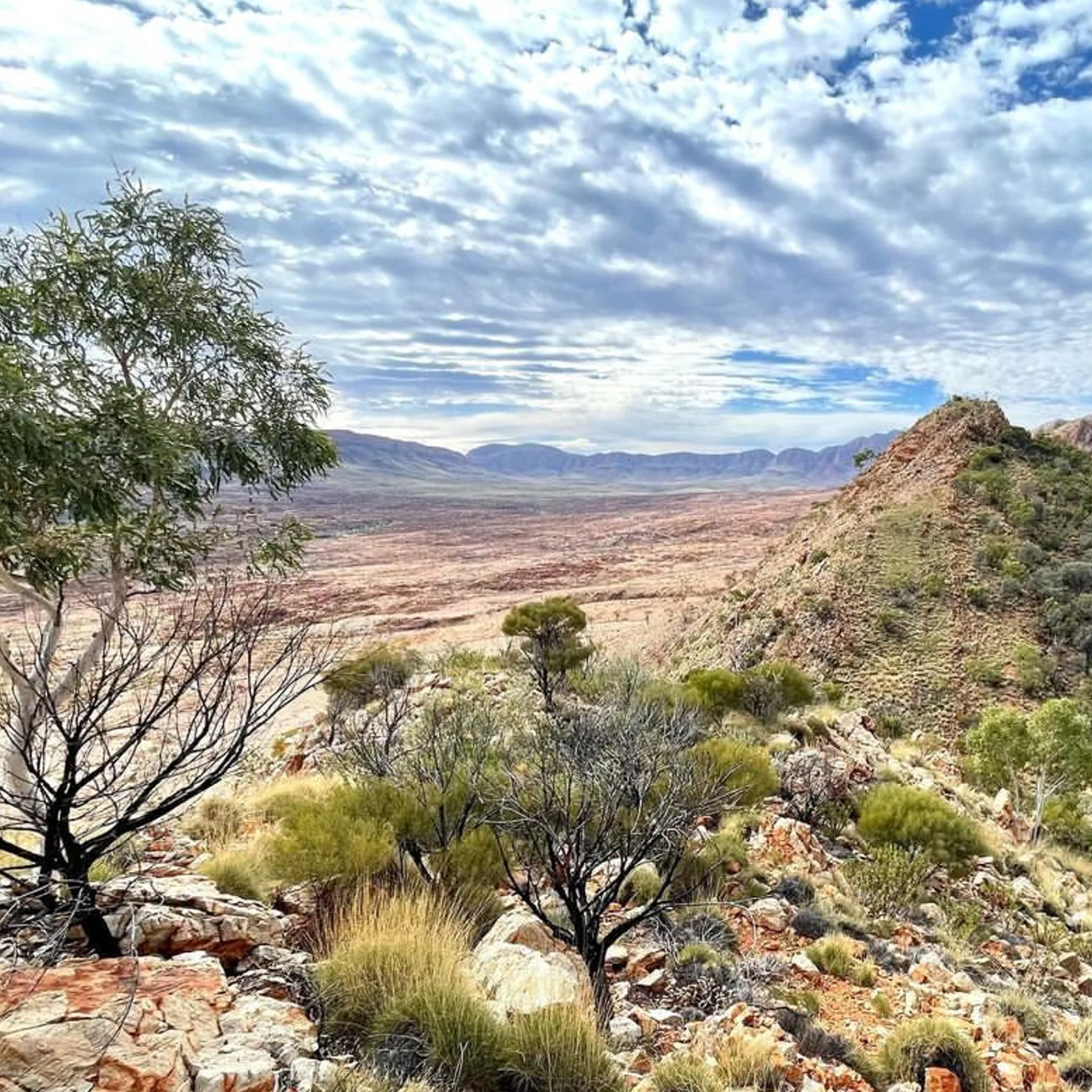
The Northern Territory: When is the best time?
From May through September the weather is as a rule most agreeable for sightseeing and hiking. One might find April or October to be good shoulder-season alternatives, but then again the conditions in the Top End are not the same as in the Red Centre, so look at the regional forecasts prior to making a booking.
Top Hikes in the NT
You will find many favour the Larapinta or Jatbula Trail, the Tabletop Track or certain walks in Kakadu National Park. Which is best is a matter of experience, fitness and what transport and access are like at the time.
Darwin in the wet season
Those put off by the humidity, the heat and storms would do well to steer clear of the November to April period. That said, a flexible itinerary will see you in Darwin during the wet season provided you are amenable to the odd closure or cyclone disruption and the heavy rain.
Dry Season in the NT
In the Top End this runs from May to October. May to September tends to be the most pleasant for a hike, October can get hot. The Red Centre is another story altogether, longer walks are better left to the April to September window.
Is it too cold to hike in winter?
Not in the day in the Red Centre, but camping at night can be very cold, so have your warm layers and sleeping system ready. Up in the Top End it is more warm and dry than cold.
Let the season work for you
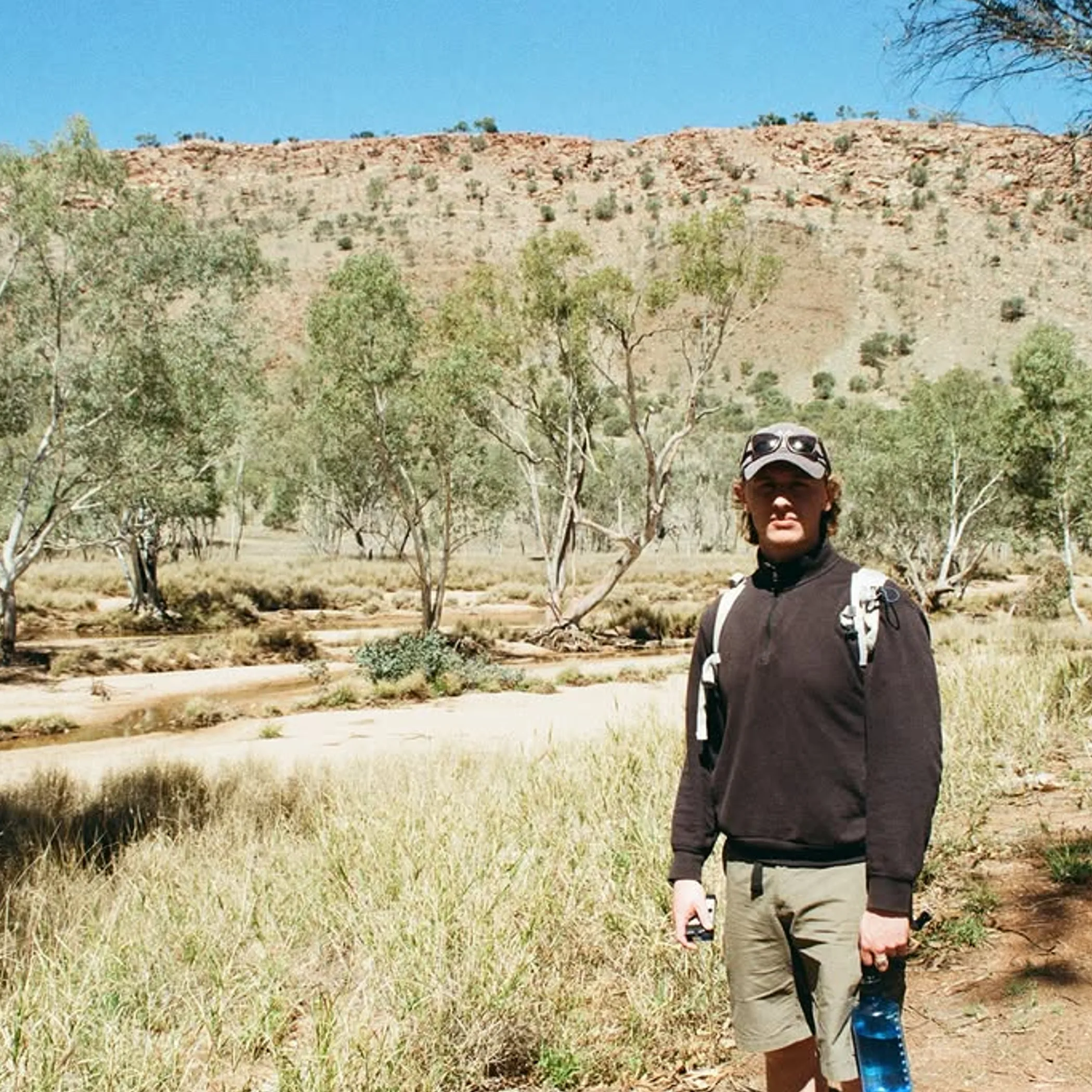
An outback hike in the NT is best done in the dry season for the predictability and access it affords. Most routes are suited to the May to September months, the wet season and a Red Centre summer are for the specialist, and April or October will be quieter.
Put in the preparation to suit the route, have ample water, factor in the heat and how you will get around and verify conditions before you set off. The Northern Territory is rewarding to the careful sort of traveller. It is less forgiving of those who pay no heed to warning signs, so let them have the last say.