It is a matter of practicality when it comes to your Queensland wet vs dry season plans. Will you have it your way with some tropical disruption in exchange for unspoilt scenery and an absence of crowds, or are you after cooler nights and conditions you can rely on?
For the most part the dry season from May through October offers optimal reef visit windows for first-timers who will find their footing, not to mention those making for the reef or any amount of road travel. The wet, from November to April, has its own appeal in the form of warmer water and a greener rainforest, but you are also looking at humidity, tropical downpours and the odd cyclone or flash flood that can shut a road.
I am Thomas Ashbury. In my time in hospitality, regional tourism and visitor information I have come to see that no traveller has ever been sorry for having a rain jacket in the pack, yet they will chide themselves for thinking of Queensland as a monolith of a climate. You will find Cairns, the Daintree, Port Douglas or Cape York do not put on the same show as the Gold Coast or Brisbane. Your itinerary, budget and how much you are willing to let the sky dictate your schedule will tell you when is best to be here.
Queensland Seasons At A Glance
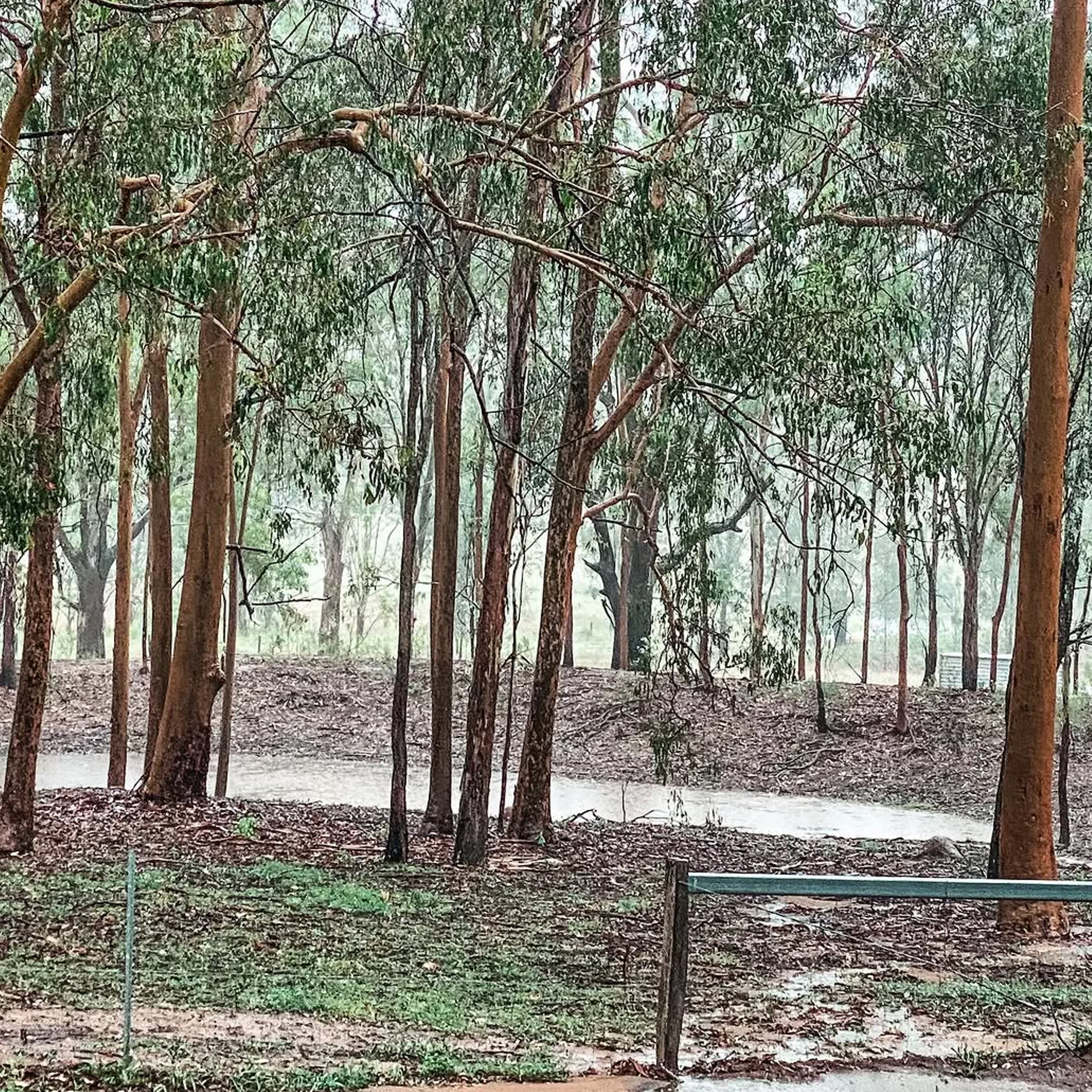
You could make the case that May to October is drier and less humid, better for a road trip, whereas the months of November to April are more dramatic, hotter and wetter. But one is not inherently superior to the other; you are simply getting a different side of Tropical North Queensland.
Consider the table below a guide for your planning, not something set in stone. Local conditions will trump what the calendar says in a tropical environment.
| Travel Factor | May To October | November To April |
|---|---|---|
| Weather | Settled days, lower humidity and cooler in the evenings | More heat and moisture, storms may be in the offing |
| Rainforest | Drier tracks and easier to walk | The vegetation is at its lushest, waterfalls in full flow and creeks running |
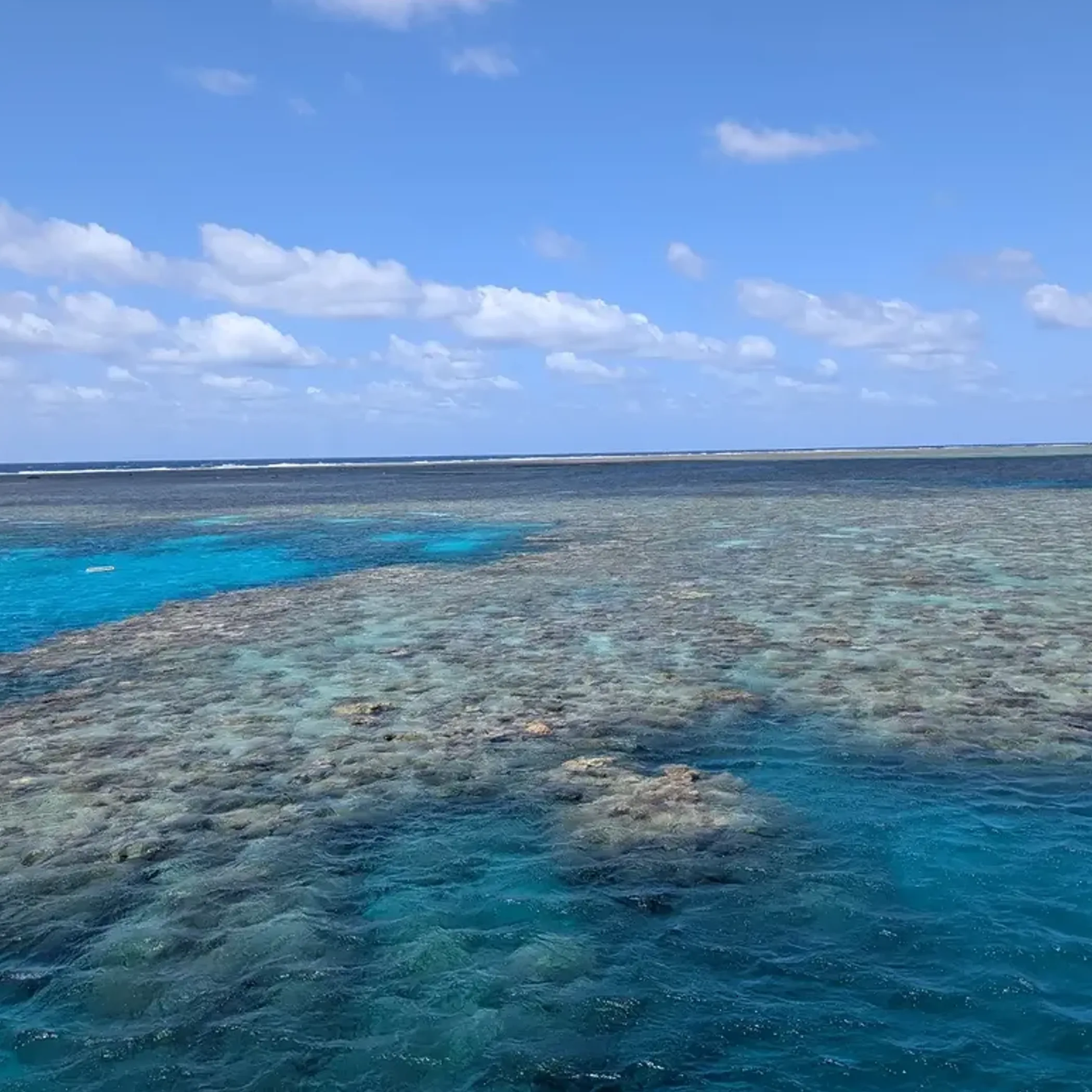
| Great Barrier Reef | Clearer for planning and as a rule more popular | Water is warmer but there is a chance of marine stingers and weather may force a cancellation |
| Road travel | Access is more dependable in regional parts | Closures and rising creeks are a risk with heavy rain |
| Costs | Popular school-holiday times see higher demand | Off-peak dates can mean you pay less for a room |
| Crowds | The major draws like Port Douglas and Cairns tend to be busy | Quieter for the most part unless an event or school holidays are in session |
By way of some statistics, the six month stretch from November to April is when Australia’s northern cyclone season is in effect. Not that you should expect a cyclone every day of it, but it is wise to be flexible with remote or water-based intentions and keep an eye on the forecast.
Dry Season Travel Conditions
If an itinerary is to be packed and you want to sightsee in comfort with predictable days, the dry season is the easy option. Then again, there is a trade-off: you are likely to put up with more people and cost, and you will not find many spontaneous bargains.
Weather, Crowds And Comfort
A lower level of humidity makes for pleasant walking and cycling in places like Port Douglas and Cairns between May and October. An evening can be cool of a sudden if you have made the trip from the south.
Do not mistake it for cloudless skies all the time; a tropical shower is still possible, especially in the rainforest. It is just that you do not get the same run of heavy rain, so operators are in a position to put in the order for a rainforest walk or reef departure with some assurance.
In the winter escape period and over Australian school holidays the hot spots will be busy. With a couple of coaches putting in an appearance a reef pontoon can be as crowded as sardines, so put in for an early start or a smaller vessel if you can afford it.
Best Activities In The Dry
Open-air markets, coastal walks and long days behind the wheel are all fine in the dry. As is a Great Barrier Reef excursion. Those wanting to link up Cairns with the Atherton Tablelands, the Daintree or Port Douglas would do well to make their plans in this period.
Book with an operator who is flexible for your inaugural reef visit and do not leave it to the last day. Even in the dry, wind or a mechanical problem can scupper the day. Have a spare day in hand and you can reschedule without missing out.
Some sound advice for the dry season:
- Be prone to seasickness or in need of calm and take an early departure to the reef.
- Make allowance for extra time on the Captain Cook Highway. Between Port Douglas and Cairns you will encounter traffic, cyclists and roadworks that will put the brakes on your progress. Have a light jumper to hand as well as sunscreen, insect repellent and a water bottle you can refill. Do not let the tropical setting lull you into a false sense of security when it comes to dehydration.
- It is wise to put in your bookings for accommodation and any sought after reef tours before the school holidays arrive.
Do not make of the so called optimal window for a reef visit one magic week of it. The day you will get the most out of is down to a host of things: tides, wind, how clear the water is and what the operators have on offer, not to mention marine conditions.
Wet Season Travel Realities
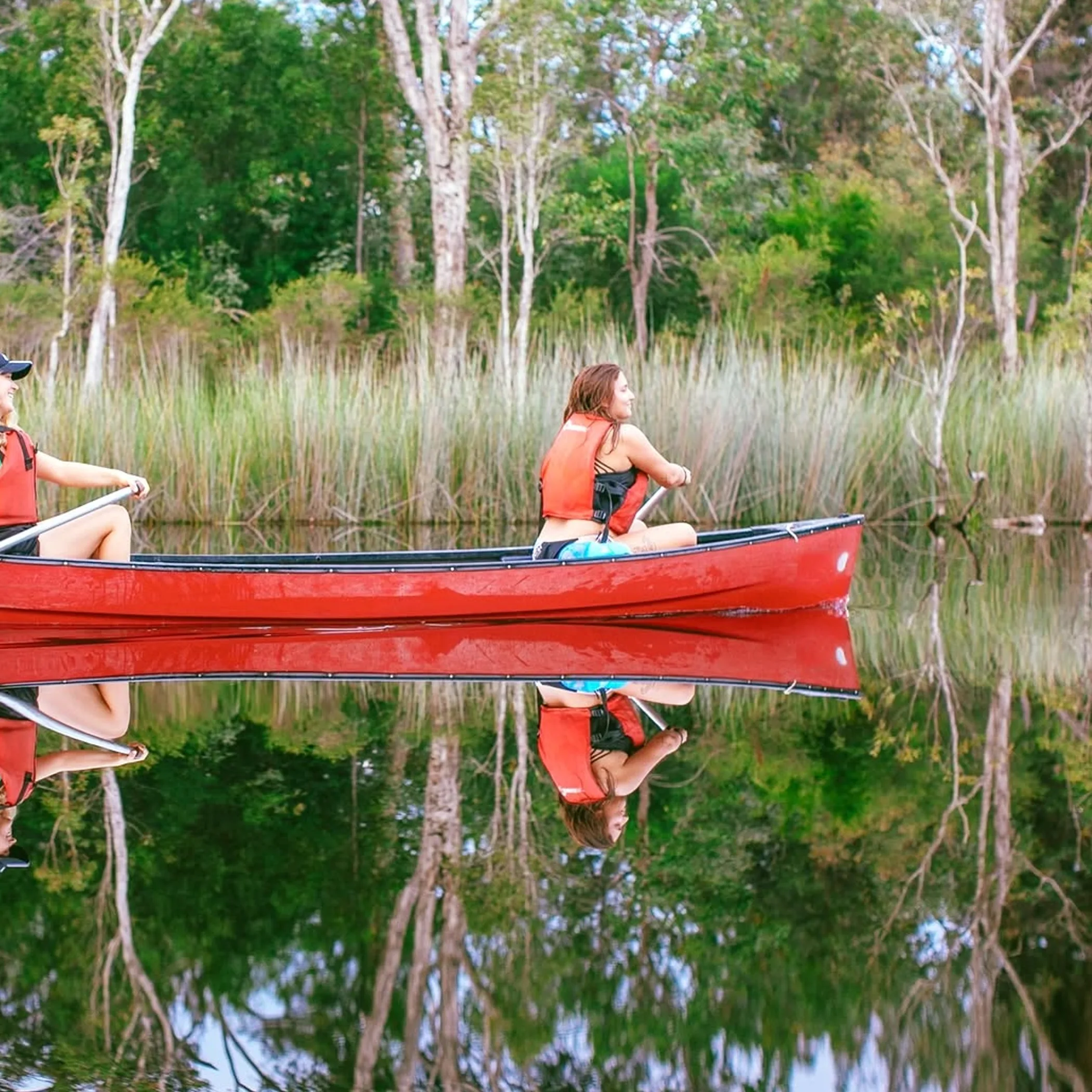
There are rewards in being flexible with your travel in the Queensland wet season. You will find the rainforest at its greenest, the waterfalls more imposing and an evening swim tempting in the warmth, but be aware the humidity has a way of draining your energy quicker than you would think.
Call it six months of miserable rain if you like, but there are many days of bright weather punctuated by some hard showers. The problem is the rain can be heavy and localised, a disruption in Far North Queensland or on any road that has to cross a creek or low ground.
Heat, Rainfall And Cyclones
One minute it is sunny in Far North Queensland, the next torrential. See to it you have footwear for slippery tracks, a waterproof pouch for your phone and clothes that dry fast. An umbrella is of use in town but not much good against the sideways rain on an exposed boardwalk.
With the northern cyclone season running from November through to April the risk is at its peak. A cyclone need not come ashore to put a damper on your holiday; strong winds are enough to scupper a reef trip, put coastal roads off limits or have flights and attractions shut down.
Before you book water activities or head into the more remote parts, consult the Bureau of Meteorology. Go by their radar, forecasts and warnings, not some icon on your phone.
What the Wet Season Has in Store
Humidity is something of an underestimator for many. At 30C an uphill walk of short duration can seem like quite an undertaking. Make of your rainforest walks an early start, stay on top of your fluids and put some quiet time in indoors. There is no prize for turning into a damp and irritable tomato before you have had lunch.
Then there is the assumption that every waterfall is open for business once it has rained hard. Barron Falls is impressive in those conditions but the viewing areas and access roads may be compromised. If a road or creek is flooded, do not cross it, even if you see another vehicle do so.
And if an activity is called off, accept it as the right call on safety. Inquire as to the operator’s policies on refunds and cancellations before parting with cash; a decent one will be upfront about the weather threshold for departure.
Costs, Crowds And Availability

Rainfall is not the only determinant of cost. You will find public and school holidays, festivals and weekend demand to be of equal import.
In the dry season expect Cairns and Port Douglas to see an upturn in prices and demand for tours. The wet season can turn up better value for money, particularly midweek, though a room at a discount is hardly worth it if your reef excursion is off and there is nothing else in the vicinity to do.
A Flexible Budget
Adhere to indicative costs instead of a single rate put out for advertisement. Outside of the busy times budget options are cheaper per night, whereas a hotel or family room in a good location will set you back during the school holidays. Regional flights, car hire and reef tours are very much variable, so be sure to compare what is included.
A headline price can be misleading, leaving out fuel, park fees or equipment. With a tour, verify that stinger suits, lunch, transfers and environmental charges are covered. The option that looks the cheapest can lose its appeal when the extras show up in thongs.
To fortify your budget, leave a day unbooked for the weather, pick a place to stay with a kitchen and resist the urge to move towns nightly. It is slower going but you will save on parking, fuel and last minute bookings and have some leeway.
Road Trips To Remote Areas
When your plans take you off the main coastal corridor seasonal access is key. While Cairns and Port Douglas have the services in place, a foray into the Daintree or Cape York and the inland roads calls for more in the way of preparation than a city break.
The dry is the more sensible time for a remote road trip, although you will still encounter rough surfaces, patchy mobile and long distances between fuel. Come the wet, a road can be closed on short notice and what is a short route on paper becomes a major detour.
Transport, Parking And Timing
A hire car is the way to go if you want to put in some time at the rainforest, a lookout or one of the beaches on the run from Cairns to Port Douglas; then again, there are shuttle and tour options that will see you there without the bother of being behind the wheel. The Captain Cook Highway has its scenery but it is not to be taken for granted. Give yourself more leeway than the distance would have you believe, in bad weather or when it is at its busiest.
You will need the Daintree River ferry to get to certain parts of the Daintree. Be prepared for queues at busy times and for the tracks on the other side to be affected by the elements. Before you depart Cairns make sure you know what the opening conditions are like and whether fuel and accommodation can be had. If your accommodation is north of the river do not think a late return is going to be straightforward.
One does not simply tack Cape York on to a holiday in Cairns. It is an undertaking for those with the right vehicle and recovery gear, who have made plans for extra fuel and know the seasonal road conditions well. In the wet some roads are no better than impassable. For the uninitiated in remote driving a specialist tour is called for, or a route that is easier to negotiate.
Then as with any road trip, put some water in the car, let someone know where you are headed and download your maps. On the day of departure check the state of the roads. And have a printout to hand in case your phone deems the bush the ideal spot to lose a signal.
Reef Swimming And Stinger Safety
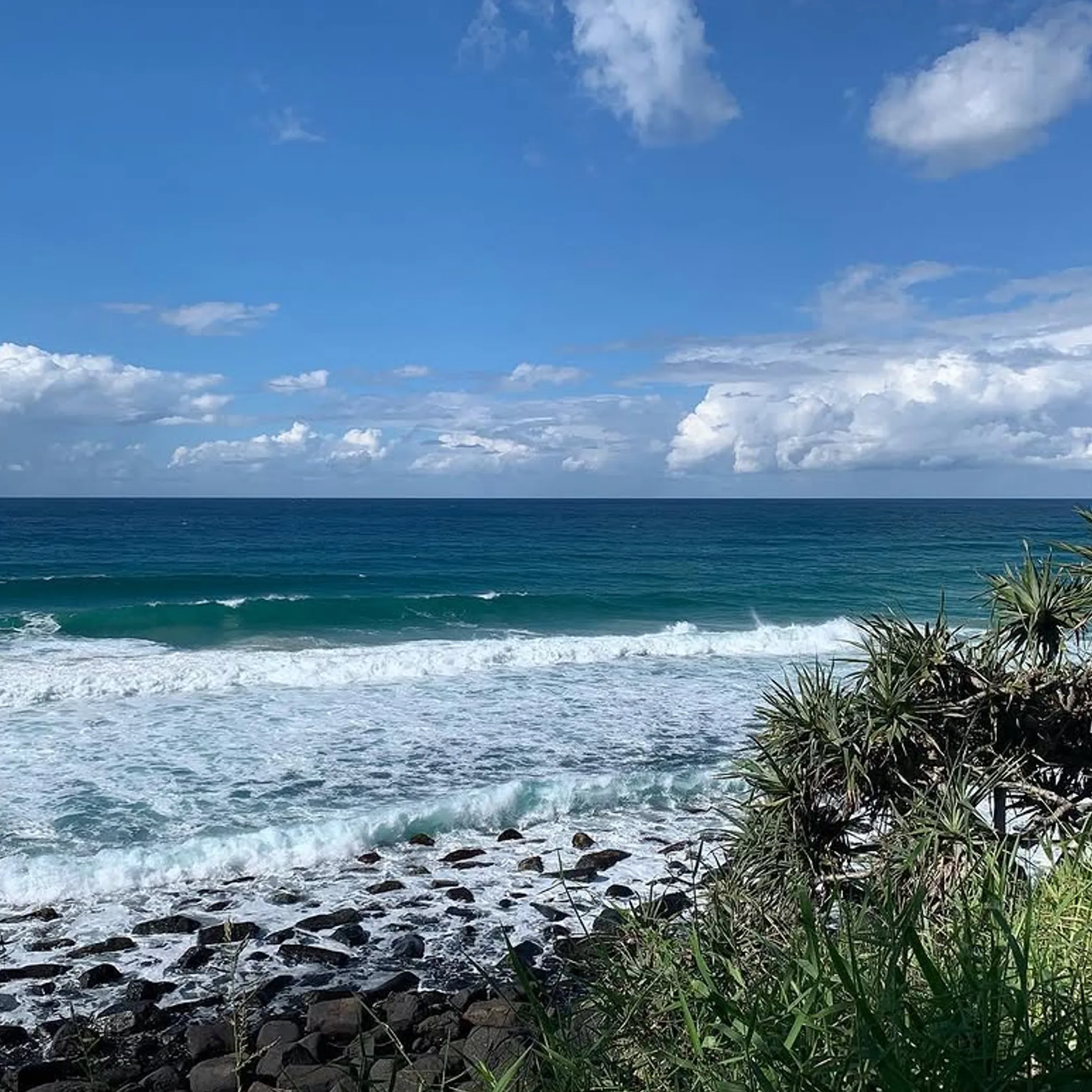
What one finds on the Great Barrier Reef is dependent on the location, the water temperature and the weather. The dry season is generally less of an ordeal for visitors wanting to make their departures with certainty. The wet season may be warm and tempting but calls for a watchfulness regarding marine stingers.
Operators will put out stinger suits in the warmer months for this very reason. Put them on as you are told and heed the crew, confining your swimming to the proper areas. There is no fashion statement in a stinger suit, it is a piece of kit.
Water Safety Basics
Stick to patrolled beaches and the signs put up by the locals. Do not venture into estuaries, creeks or rivers unless the authorities say it is safe. In northern Queensland a crocodile will be found in habitat that is scenic and calm and seems made for swimming.
Novices tend to underestimate how much snorkelling takes out of you between the fins, the swell, the current and the boat. If you are not a confident swimmer or are anxious about it, make the crew aware. Make use of any flotation at hand and stay with your buddy.
Those prone to seasickness or with medical issues or limited ability in the water are better off with something more supported and of shorter duration. You want to remember the coral on a reef trip, not the fact your stomach has made up its own mind.
Rainforest, Waterfalls And Wildlife
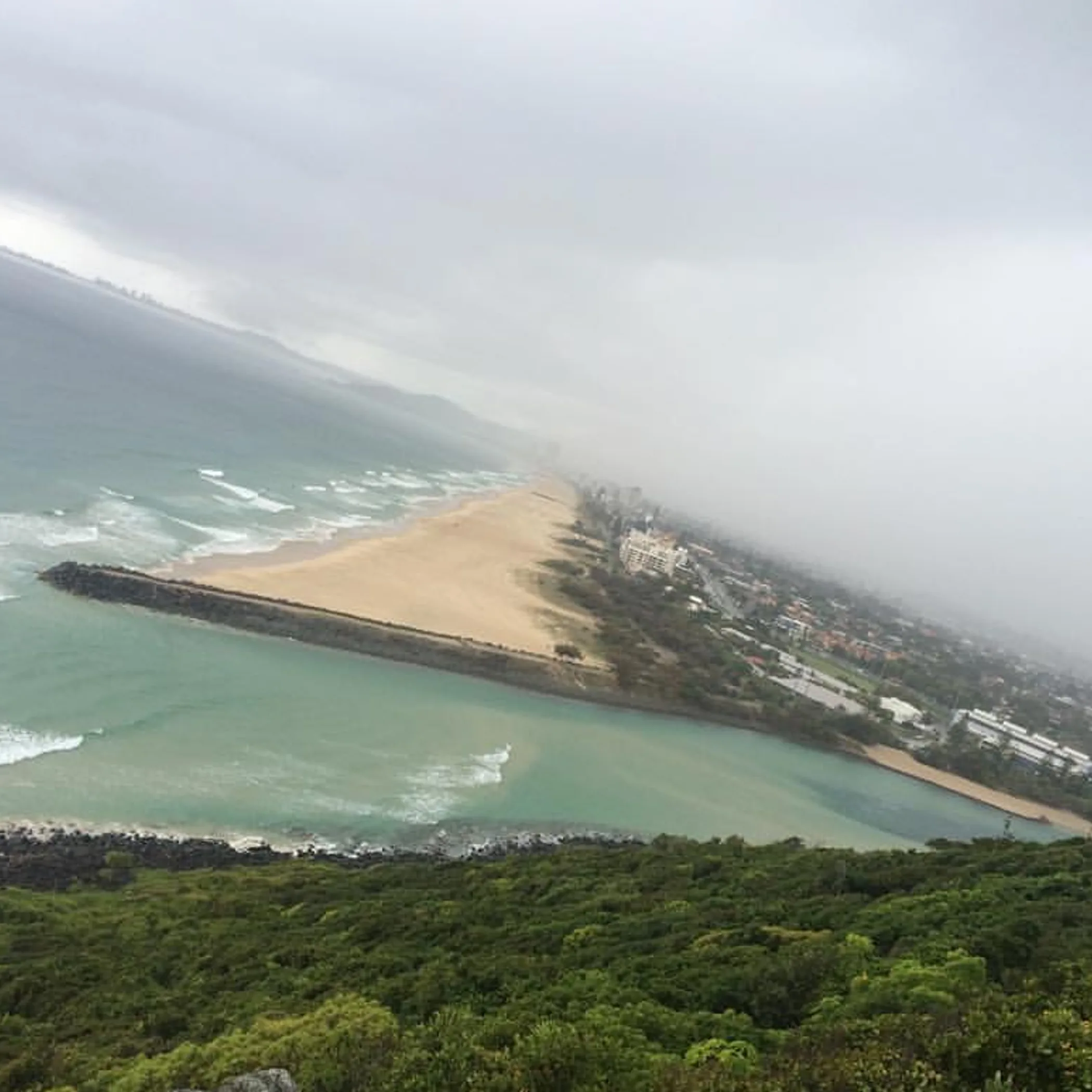
There is a drama to the rainforest in the wet season. After a good rain the Barron Falls and others are all the more impressive, the vegetation is at its lushest and the creeks are running high. Dry season affords a more predictable access and walking is easier.
Make allowances in the Daintree for parking and boardwalks and the odd slippery bit. A track that should be short will run long if the surface is wet and you are pausing for wildlife and the humidity has your backpack in a sauna.
Expectation Versus Reality
You might expect to have wildlife on tap. But they do not conform to your schedule. An early start in the quiet of the morning will help but do not count on it.
You may think a waterfall is fine for a dip. After rain it can be anything but, with poor quality water, rocks under the surface and strong currents. Heed the warnings and do not follow the example of some stranger who looks like he knows what he is doing.
The rainforest walk is for those with the patience for heat and insects and uneven ground. Unless the facilities and surfaces are of a confirmed standard, it is not for anyone with mobility limitations. Prior to your arrival, see that you have the access details in hand, especially in the wake of any heavy rain.
Your Queensland Season
In Cairns the ideal time to come down is a matter of what you put first. For the dry season you will have no trouble with regional driving or walking and can count on the reef departures. The wet is for those who put a higher value on warm water and an abundance of rainforest, as well as less demand for accommodation and more subdued attractions, than they do on absolute certainty.
A Season To Suit
One day in and you should remain in the vicinity of Cairns and pick a single course of action: make it a day on the esplanade, head to the reef or put in a rainforest outing. Trying to do Cairns, Port Douglas and the Daintree in the same day is not an itinerary so much as a form of punishment with a side of fuel consumption.
With three or five days at your disposal, put a reef day in with the rainforest or Port Douglas and hold back a half-day in case the weather has other ideas. A longer road trip calls for the dry if you can manage it and a confirmation of remote access before you set off.
Those put off by the heat, humidity or the prospect of an insect or an uncertain cancellation are better served by the dry. Photographers and the like may have more of an affinity for the wet. As for families, there are school-holiday crowds to factor in along with swimming safety, limited attention spans and the merits of having laundry on hand.
What to check before you leave
- Any weather, wind or cyclone warnings and rainfall figures.
- The terms for cancellation, inclusions and when your tour is due to depart.
- Whether the roads, ferries, parks and tracks are open.
- And do not forget to put sun and rain protection, repellent, water and the right sort of footwear in your pack.
- For a short trip, allow yourself a flexible day.
Frequently Asked Questions
Is there a time one should not be in Cairns?
Not really. Yet the wet season can present challenges to those wanting their outdoor plans to run to clock, particularly with cyclones or a lot of rain. You would be wise to go then only if you are amenable to some cancellations and the odd change in road access and the humidity.
Are conditions in Australia getting drier or wetter?
You cannot apply a national trend to every part of the country. What you get depends on the climate and where you are. When in Queensland, let the local forecast for Cape York or Cairns be your guide rather than a national generalisation.
Why are the Wet Tropics of note?
They are home to an environment of international standing in Queensland’s tropical rainforests. From the ancient ecosystems and the wildlife to the cultural ties and what the forests do for the waterways, the significance is clear. All we ask is that visitors observe park rules and stay on the track and leave the flora and fauna alone.
Australia’s “silent killer”?
It is a term used in travel safety for a number of things: dehydration, heat stress, treacherous water. In Queensland there is no one answer. Be serious about crocodiles, currents, floods, alcohol and the heat and do not under prepare. If anyone is acting weak or confused, get help without delay.
Does the dry have to be the way to go?
Not necessarily. It is easier to plan but also pricier and with more people. The wet has its own appeal with stronger waterfalls and a greener rainforest and you will not have as many in your way. It comes down to whether you want the seasonal feel or reliability.
Put the season to good use

There is merit in both the wet and the dry in Queensland. The latter is all about logistics; the former gives you colour and intensity and, provided the weather is kind, a quiet day.
Have your must-do activity and room to alter plans, heed any warnings from locals. Those who take the time to prepare and keep a sensible pace will be rewarded in Queensland. And do not take the weather personally, it is just doing what it does.