When it comes to the coast and islands of Australia in 2026, weather patterns are a matter of region. One day will see Sydney, Melbourne, Perth, Cairns, Darwin or Tasmania in entirely different circumstances. The sensible approach is to go by the seasonal pattern of where you are going as opposed to a national forecast.
I have made that discovery since coming to Adelaide from England; my work in visitor information and putting together regional itineraries taught me fast that this is no weekend country. You may be looking at an ideal beach forecast but find the ferry has been called off or a walking track put out of bounds, or the humidity turns a few minutes’ walk into hard work. My name is Thomas Ashbury and this guide is to help you make sense of the 2026 figures and plan accordingly.
Regional Weather
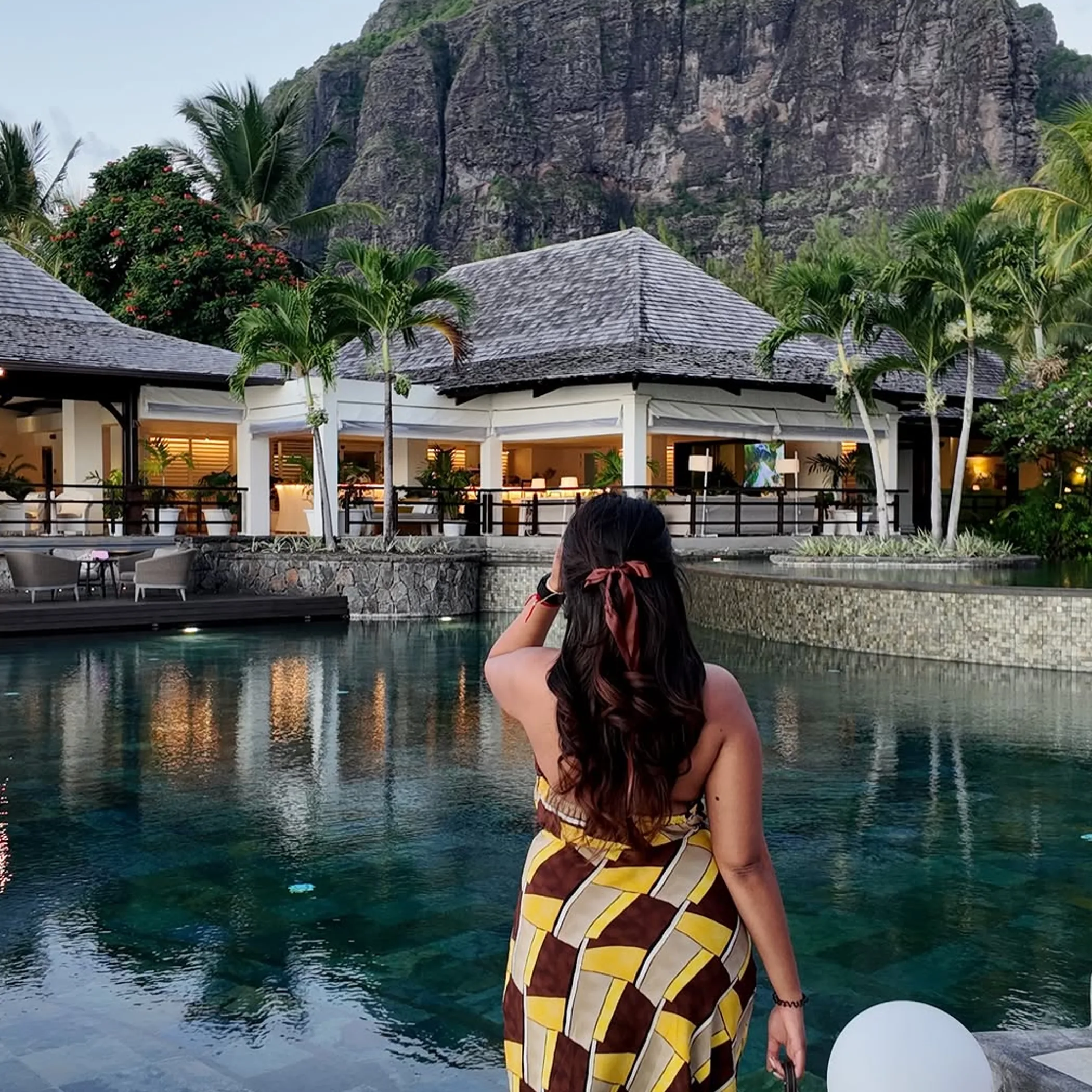
The Australian coastline covers everything from tropical to Mediterranean. In “summer” you could have the dry heat of Perth, changeable winds in Tasmania or the monsoonal rain of Darwin. Understanding the optimal seasons for island visits can help with planning.
Before you put down money on something non-refundable, look at what the Bureau of Meteorology has for its seasonal outlook on temperature, climate drivers and rainfall. A long-range forecast has its uses but don’t expect it to tell you with any certainty what the weather will be like at a given beach or for a snorkel session months in advance.
A Word on Forecasts
Don’t be taken in by the probabilities the Bureau puts in its outlook. An above average warmth does not portend hot days all round, nor does a wetter than average reading mean unrelenting rain; the odds have just moved from the long-term norm.
If you are travelling to an island, I would check three forecasts: marine, land and any local warnings. The mainland can be all smiles while the swell and wind are making for poor ferry conditions. Do not assume an exposed crossing will be smooth because the harbour appears calm.
El Niño Considerations
El Niño and La Niña will have their say on coastal conditions and temperatures but they are not some kind of switch you can turn on and off. What happens in one part of the country can be altered by Indian Ocean patterns, sea surface temperatures and other systems.
With no confirmed national outlook for 2026 on offer, there is no point in saying we are in for a super El Niño or a uniformly hot summer. Wait for the Bureau to put out its official word before taking such claims at face value.
What to Expect from El Niño
It is true that El Niño can up the risk of drier, warmer weather in the east of Australia, if not in equal measure everywhere. That can mean more to worry about in the way of bushfires and heatwaves, and water levels and vegetation will be impacted by the lack of rain.
La Niña is the opposite in parts of the north and east, raising the prospect of flooding and making for some rough roads with the added humidity. But a climate driver only raises the risk, it is no guarantee. Weather does not do neat contracts.
Book with Regions in Mind
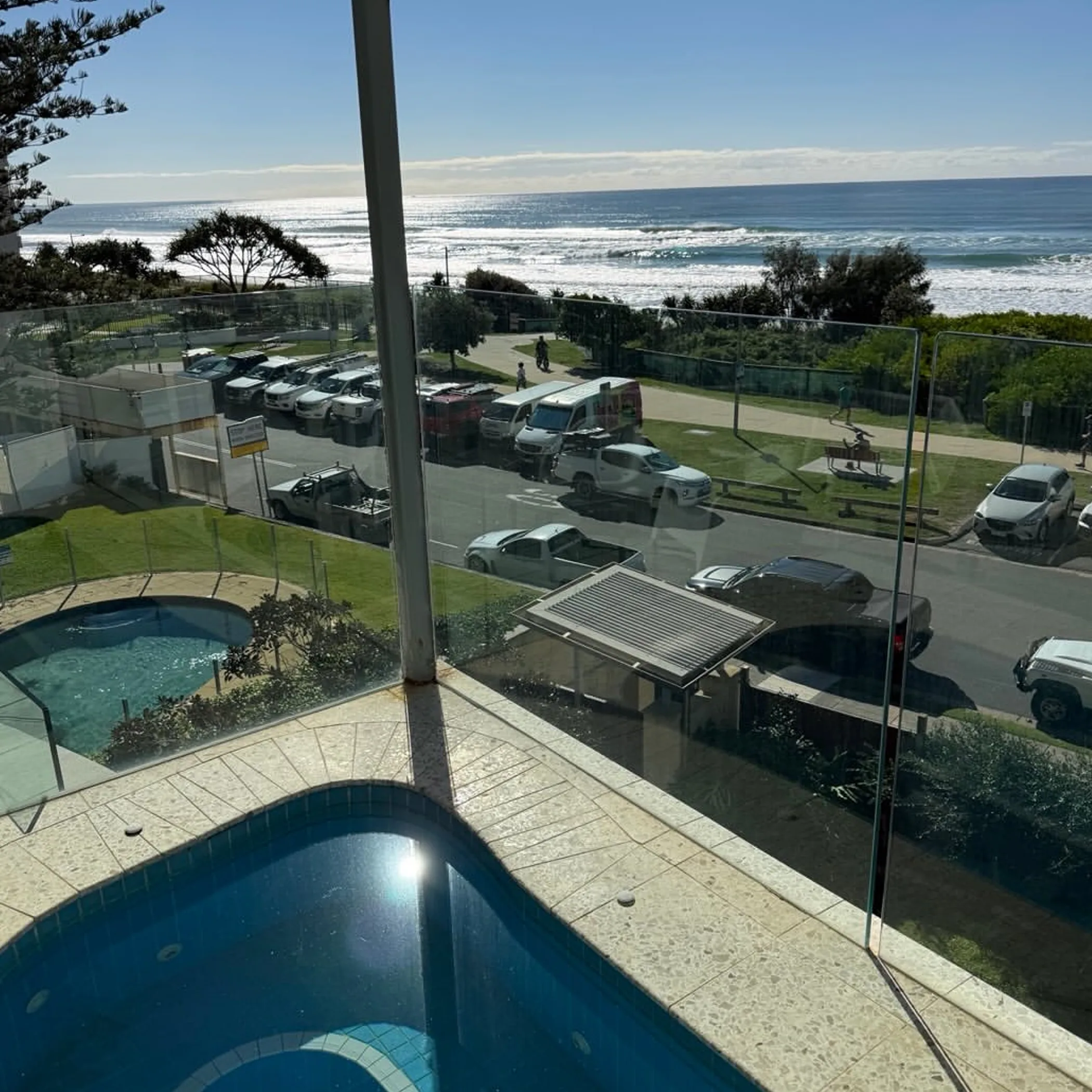
You will be better served by the regional picture than a national average when it comes to Australia weather. A month that is fine for one island may be cyclone country or too wet and windy in another.
What follows is a table of planning patterns, not promises. Use it as a first pass then verify with the current forecast, park alerts and marine warnings.
| Region | Typical Seasonal Pattern | Travel Planning Focus |
|---|---|---|
| Sydney and New South Wales coast | Warm summers, mild winters, winds that change on the coast | Surf, storms, a day at the beach and the odd short-notice shower |
| Melbourne and southern Victoria | Nothing is predictable in any season | Be prepared for cold snaps and wind, pack layers and keep day trips flexible |
| Tasmania and Tasmanian islands | Quick changes and plenty of wind to go with the cooler temps | Daylight, waterproofs, the state of the tracks and ferries |
| Gold Coast and Sunshine Coast | Humid and warm in summer, milder and drier in winter | Water temp, crowds, surf and the odd storm |
| Perth and Western Australia | Winters are wetter, the summer hot and dry | Long distances, strong winds, the heat and any bushfire closures |
| Cairns, Port Douglas and Whitsundays | A tropical wet season giving way to a drier winter | Monsoonal rain, cyclone alerts and what the sea is doing |
| Darwin and the Top End | Hot and for the most part drier in winter, very wet in summer | Road access, crocodile safety, storms and the chance of flooding |
East And South Coast
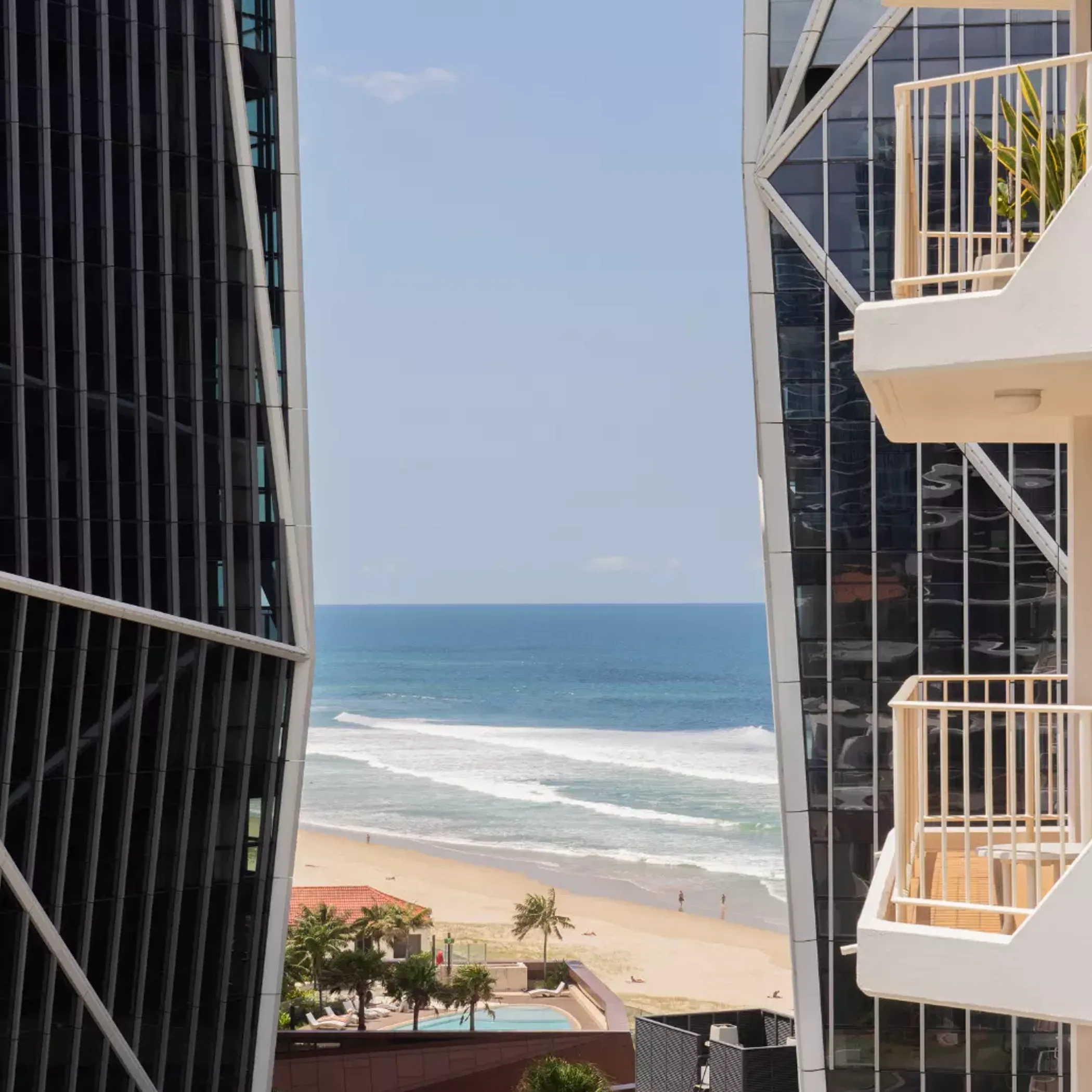
There is no single climate to be found on the coasts of the Gold Coast, Sunshine Coast, Sydney, Melbourne or Tasmania. For the traveller in search of a respite from the crowds, their shoulder seasons are fine, though do not expect “shoulder season” to be a promise of sunshine; the weather is apt to be variable.
Sydney And The Gold Coast
One can make comfortable work of a city beach or a coastal walk in Sydney when it is not at its hottest, but plans are liable to be scuppered by a summer heatwave, some thunder or rough surf. It is wise to consult the beach patrol and stay off unpatrolled beaches for a swim, particularly when rips are up or in the wake of heavy rain.
The Gold Coast and Sunshine Coast put on warm conditions for the most part of the year. Then you have summer with its humidity and the odd sudden downpour. Winter is better for sightseeing and walking if you can put up with an ocean that is no tropical affair.
People make the mistake of packing nothing but their swimsuit. You will want something for the sun, good shoes for a wet path and a light rain layer. In twelve minutes a day at the beach becomes one at the café; no one wants to be lugging a sodden towel about in a shopping centre.
Melbourne And Tasmania
Do not let the morning forecast write your itinerary in Melbourne, the weather has a way of changing in an instant. On the Victorian coast or over to Phillip Island, factor in some time for wind and rain and the slower driving they bring.
Tasmania and the islands around it are for those with flexible plans and a taste for cooler climes and walking. An exposed track gets slippery and ferries are no pleasure in rough weather. Miss a sailing and the trip is done, so put a spare day in your island schedule. I have seen travellers in my time in visitor information underplay the distances in Tasmania. What is a short route on paper can be all winding roads, wildlife, photo opportunities and delays. Make sure you have your fuel, return transport and accommodation in order before you go.
Handle Western Heat And Wind
There are long distances and marked seasonal differences in Perth and Western Australia. Summer is hot and dry, winter more so inclined to rain and coolness. Rottnest Island and other island outposts are exposed places where there is not much to hide from the sun and the wind will make cycling a chore.
Perth And Rottnest Island
A ferry makes for an easy enough day trip from Perth, provided you are not susceptible to seasickness, in which case look at the marine forecast. Put on the sunscreen, have plenty of water and take a break in the shade; this is not a flat suburban park. With a single day to spend, stick to the main settlement and a bit of coast and leave yourself a buffer for the return ferry. Trying to see every beach and put in a long walk as well is as sensible as planning to be in Broome from Perth before lunch.
Bushfire closures are a possibility in the parks and on the roads in hot, dry weather, and the heat can put a crimp in your timing for a hire bike or otherwise. Have a charged phone on hand (reception is not to be counted on once you are away from the built up areas) and check any local alerts on leaving Perth.
The Pilbara And Kimberley
You need to be better prepared for what lies beyond Perth. Rain will make the Gibb River Road and some of the remote coastal routes very rough. Permits, road conditions and closures will dictate your access.
Have your recovery gear, water and fuel with you and see to any Aboriginal land access requirements. A satellite comms unit is not a bad idea out in the remoter parts and a licence for a hire car does not mean you can go anywhere you like on an unsealed road.
Time The Tropical North
In Darwin, the Whitsundays, Port Douglas, Cairns and the Great Barrier Reef you are at the mercy of the tropical wet and dry seasons. The latter is preferable for any land sightseeing. The wet season will give you greener country and more to look at but also the humidity, the rain and a likelihood of disruption.
Cairns And The Reef
Much of the year sees Cairns and Port Douglas as hot and humid. Monsoonal rain comes in forceful bursts in the wet season and from November through April you must give cyclones due consideration in your plans. Leave the optimism to the hotel receptionist and watch the official warnings.
It is not just a matter of sunshine for a reef excursion. The sea will have its say. You may well get some good snorkelling on a cloudy day, but visibility and boat routes can be compromised by a swell or strong wind. Take medication for seasickness (after consulting a professional), sit in the middle of a big boat and be comfortable.
Whitsundays And Darwin
Travellers in the Whitsundays are drawn to the island time and warm water, yet the experience is at the mercy of marine conditions, storms and humidity. And white sand offers no protection from a hard day on the boat, dehydration or sunburn.
In Darwin the wet season has a way of producing spectacular storms and flooding, not to mention making some roads difficult to get to. The dry season will see the humidity subside but one can expect higher accommodation costs and more people at the good sites. Top End visitors should be croc-wise: heeding the signs and any swimming restrictions, for a still waterhole is not to be taken as safe.
Match Seasons To Island Travel
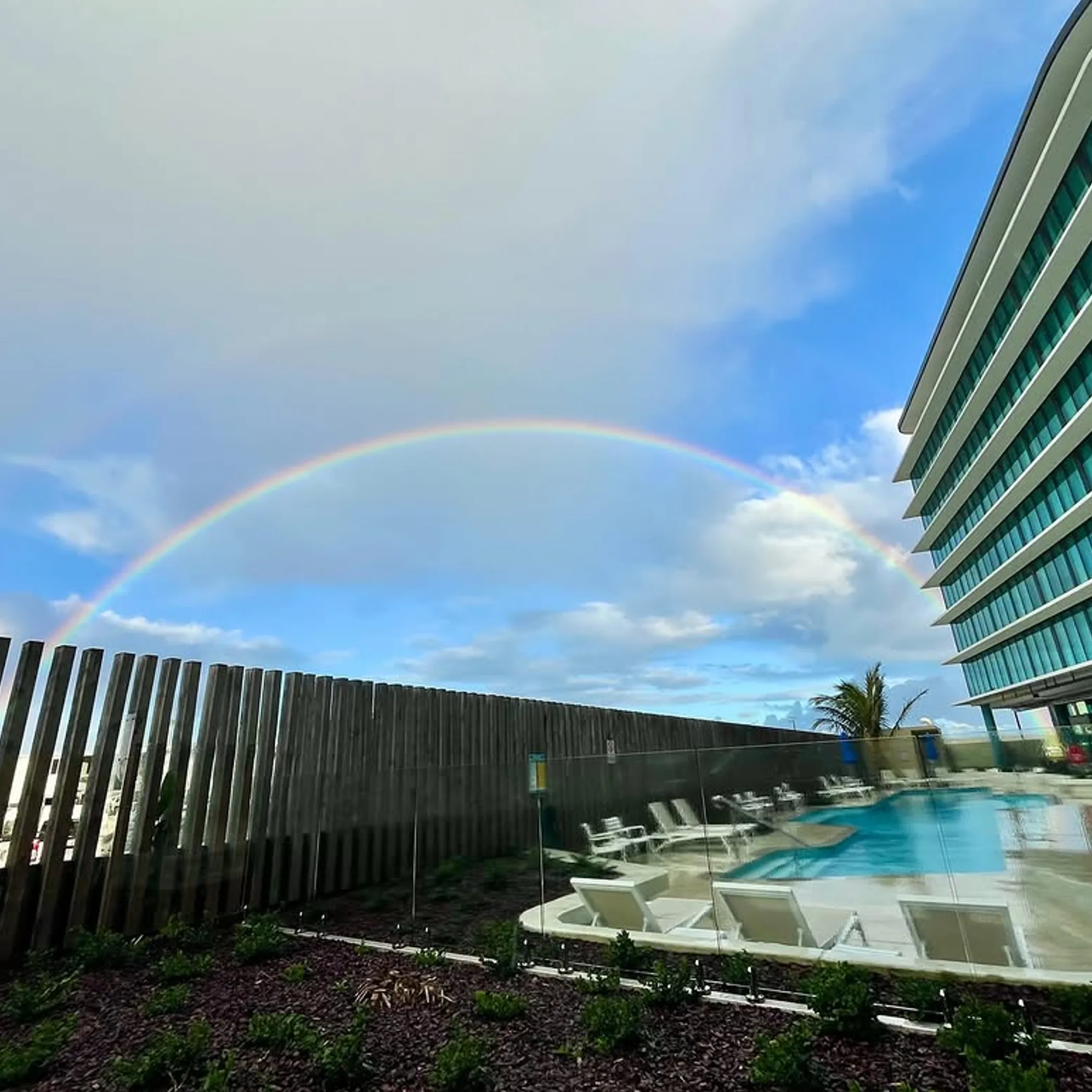
One cannot put a finger on the best time for an Australia 2026 visit; it is a matter of what you are after, be it wildlife, walking weather, value for money or the certainty of a boat ride. A sensible way to go about it is to look at the hot, windy, wet and dry periods of each destination first.
Shoulder season tends to be optimal for islands, with its comfortable conditions and fewer crowds. But when booking for that time of year some flexibility is called for since the weather has a habit of turning before your accommodation does.
Summer Planning
Treat the summer 2026 weather predictions for Australia as an outlook, not something to be relied upon. In the south and west there will be a greater need to manage the heat; up north one can anticipate the tropical wet season with all that entails in the way of humidity, heavy rain and the odd cyclone. Put in the hard walks early in the day and leave midday plans open. Fire restrictions should be observed and campfires left unlit unless the rules of the locality permit. A bushfire closure in some places can put a stop to coastal tracks and national parks without much warning.
Winter Planning
Region will dictate the 2026 winter weather. You may find things more to your liking in northern Australia in the tropical dry, whereas Tasmania and the south of Victoria can be cold and blustery.
Darwin, the Kimberley and some of Queensland make for fine winter destinations, though do not think it is the right answer for every island. Wind exposure, daylight, the state of the ferries and how the water is running are all factors. Pack for what you will be doing, not for the postcard.
Pack For Changing Conditions
A good pack for the coast is one that accounts for wind, sun, water and the odd delay. I would say the common error is to pack for the temperature on the brochure rather than the reality of the day. A sunny forecast is of little use if the track is caked in mud or the ferry deck is exposed to the wind.
Before an island or coastal excursion run through this:
- Do your homework on land, marine and warning forecasts.
- Have on hand a hat, sunglasses, sunscreen, water and something light to keep the weather off.
- Footwear should be of a type to handle uneven paths and rocks.
- Factor in a buffer for the return ferry in case of swell or wind.
- See that maps are downloaded and emergency numbers saved while reception is available.
- Look into park permits, closures and any fire or wildlife warnings.
- Leave your rubbish and seal your food; use a dunny if one is to be had.
Budget For Disruption
Island travel has a way of racking up expenses in transport and activities on top of where you are staying. Between the ferry fares, reef tours, bike hire and the like, it is easy to be outspent by a day trip on the mainland. Allow for the possibility of an activity having to be put back.
If you are only in for a day have a backup near where you will be returning from. Book with a cancellation policy that makes sense for a longer stay. The room price is no bargain if you are left on the wrong side of the water because a ferry has been called off.
Answer Common Weather Questions
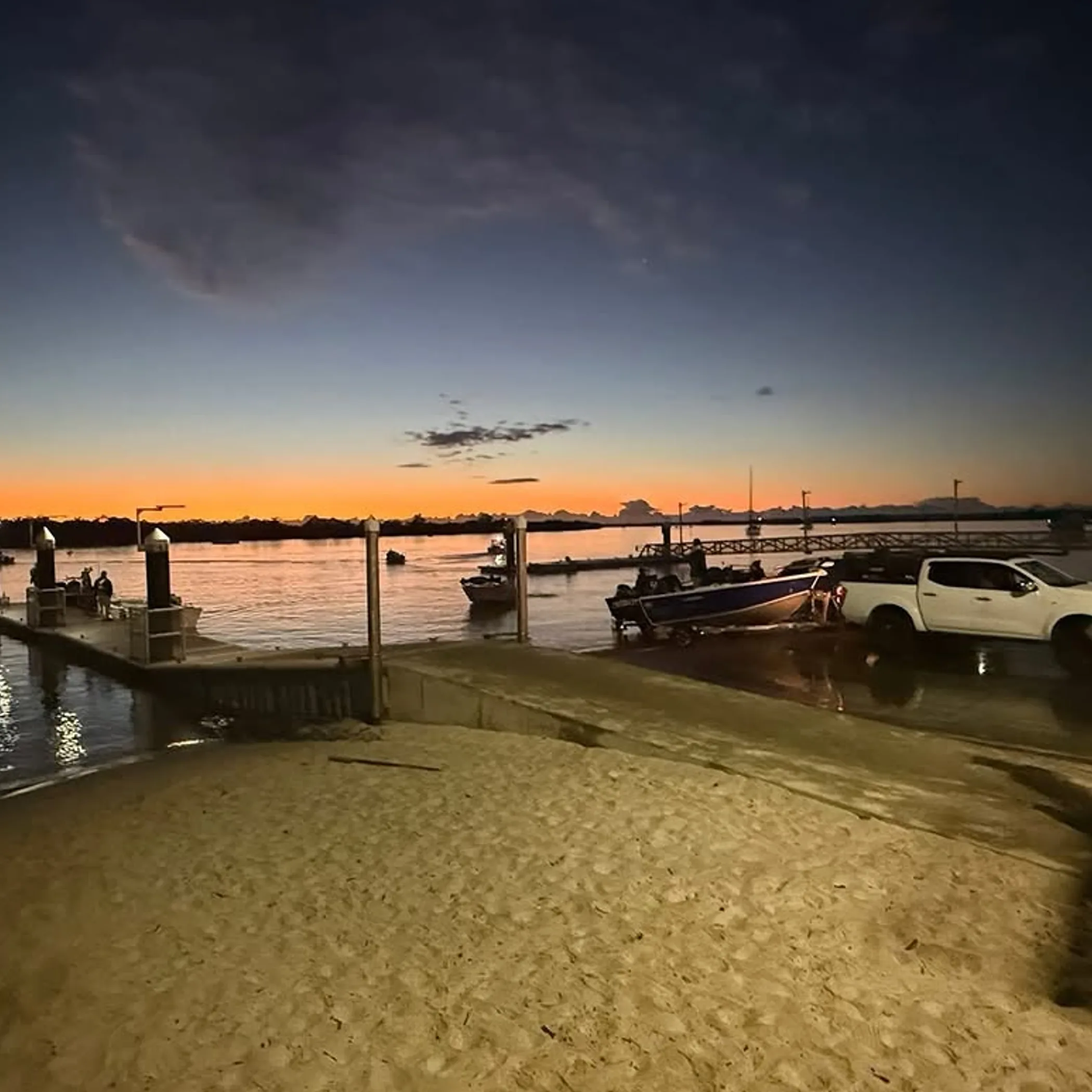
The following address some of the usual questions on Australia weather 2026. The truth of the matter is often regional; the country is too big for a national prediction to cover every beach and island.
Is 2026 Going To Be A Hot Summer In Australia?
The information does not support a blanket statement of a hot summer across the board. There could be heatwaves in some quarters and in others cooler spells or storms. Have a look at the Bureau of Meteorology’s latest outlook and local warnings.
Is 2026 Summer Going To Be Super Hot?
That is not a term forecasters use. An outlook may point to warmer odds but it is no guarantee of extremes. Make allowances for the heat with shade and an early start.
Will There Be A Super El Niño In 2026?
Nothing in the material supplied can verify a super El Niño. Do not put stock in what is said on social media over an official assessment from the Bureau of Meteorology. The effects of an El Niño are not the same in every region.
What Parts Of Australia Will Be Affected By Rising Sea Levels?
Coastal erosion, king tides and storm surge pose a risk to low-lying areas. It is a localised effect dependent on the infrastructure and the shape of the shoreline. Your state or local government will have the coastal hazard data for the area in question.
Is The Tropical North Safe During Wet Season?
Folks do go, but it demands more caution. Access and what you can do will be impacted by the crocs, the lightning and the rain. Get confirmation on tour operations and abide by the swimming signs.
Make The Forecast Work
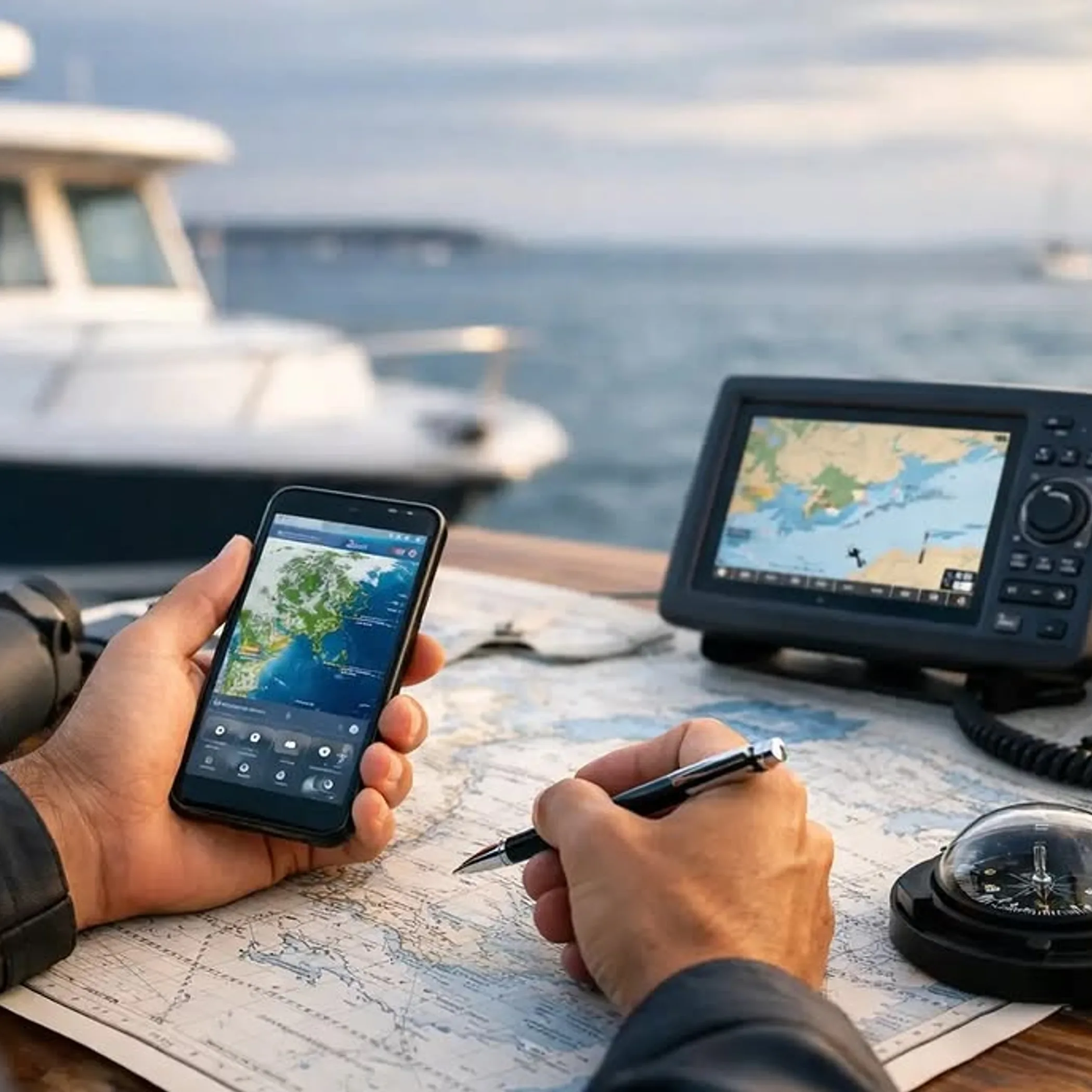
Combine what you know of the regional climate with the current forecast and a plan that is not set in stone and you have the best guide to the seasons in Australia. Pick the coast or island you want, then make sure of the road access and marine warnings before you commit.
The sea has the last word and in a country of this size that is just the nature of coastal travel. Respect the distance and the weather, have a layer and some water and a contingency. That is not bad planning.