An Australian drive can become a matter of careful judgement when you have rockfall risks on the road to contend with after a storm. The heavy rains will erode what holds the slopes in place, saturate the soil and force water into every crack in the rock. There is no need for complication; the sensible thing to do is put conditions first before you set off, reduce your speed in the vicinity of cut slopes and cliffs, and not go where the road is closed. And as for the odd new stone on the tarmac, consider it a warning, not some form of kerb ornamentation.
My name is Thomas Ashbury. I write about travel from Adelaide and have a long history of looking at the practicalities of being on the road. One learns in this country that weather and distance are not bound by an itinerary. What seems like a straightforward coastal run at breakfast time can be anything but by lunch. In this guide I will cover the principal rockfall hazards and the kind of decisions one has to make in the wake of bad weather.
Why Storms Trigger Falling Rocks
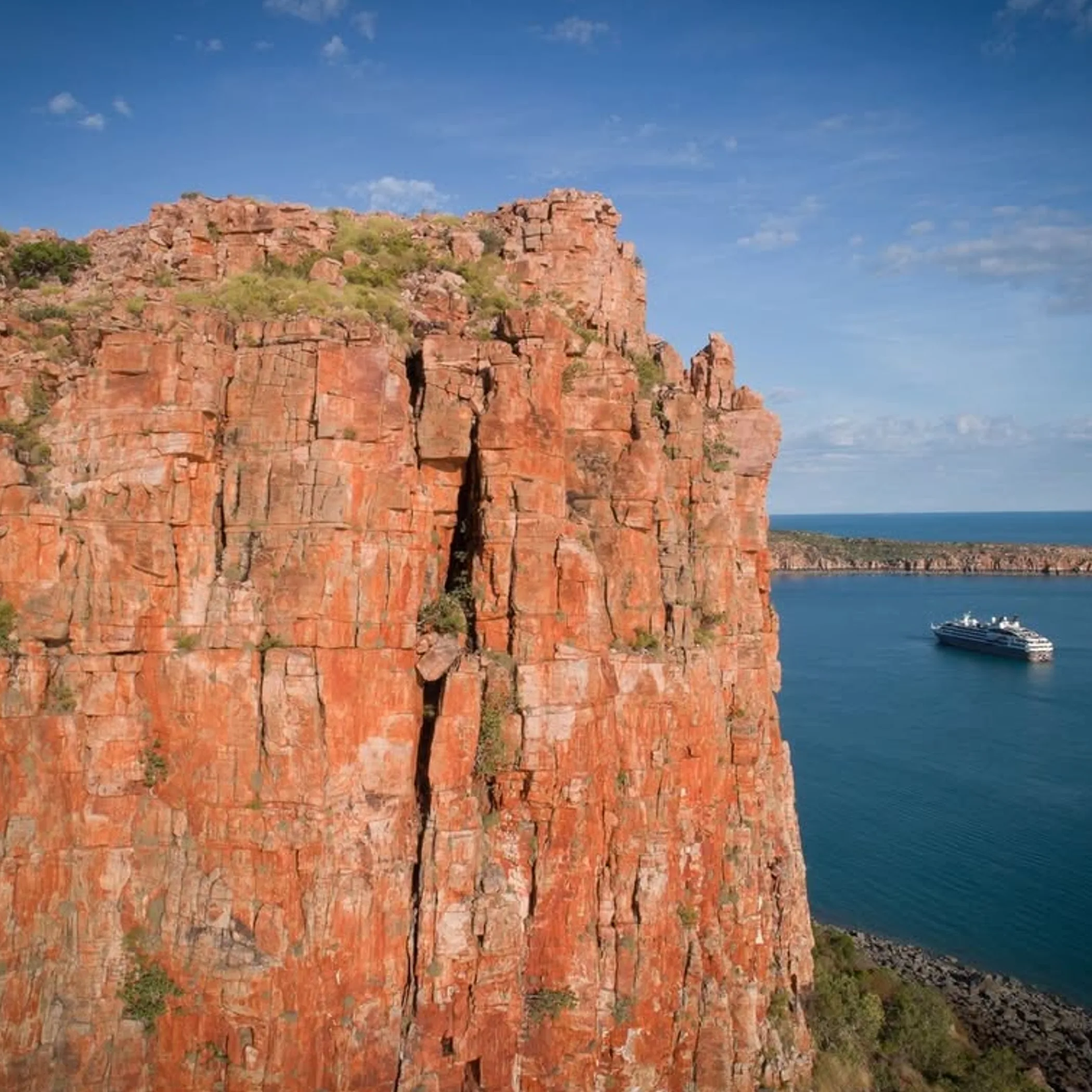
It is the water that alters the strength and pressure of a roadside slope and makes rockfall more likely. Rainwater seeps in and weakens the joints in the rock, or builds up hydraulic pressure in a narrow fissure, while the saturation puts extra weight on the soil. Drivers seeking wet weather coastal drive guidance should also account for these changes.
Do not think the danger is over once the rain has let up. Water may have made its way underground to undermine roots and fractured rock so that a slope gives way hours later. An hour of sun does not mean all is well; geology is indifferent to your plans for lunch.
Water Weakens Roadside Slopes
Over the course of time rock and soil will weather and expand and contract. Wetting them repeatedly is enough to loosen fragments and open up old cracks, lessening the hold between layers. Erosion from running water at the foot of a slope takes away support from above.
If the drainage cannot cope with the volume of stormwater that has pooled behind a retaining wall or in a road cutting, it will cross the carriageway or wash mud and stones down from the shoulder. Such things lead to rockfall and the odd landslide.
Storm Intensity Is Only One Factor
You can have a sudden issue on a steep cut slope from a brief but hard storm, or a more insidious saturation from days of wet. Then there is the effect of drought, fires, construction and the like which leave a slope wanting in stability. A bit of rain might not look like much but in an area of poor drainage and fractured rock it can be hazardous. It is a question of how the water behaves on that hillside, not just the quantity of it.
Where Rockfalls Usually Happen
They tend to occur where the road runs alongside an exposed cliff or a steep engineered cutting, leaving little room for a driver to stop or react. This is as true of regional routes and mountain roads as the coastal highways. You may find local authorities in New South Wales or Queensland have been over the trouble spots post storm, but they can be different by the time you get there.
Watch Cliffs And Cut Slopes
Be mindful of them, especially where rock has been taken out to accommodate the road. A bend will hide the slope ahead until you are upon it. Look to the drains and gutters for your answer; if you see pools of water or a damaged edge it means the stormwater is not doing what it ought. Exercise caution around a retaining wall with a bulge or fresh debris at its base.
Coastal And Mountain Routes
On the coast one has to factor in the wind, ocean spray and blocked drainage. Wave action can take material from under a slope and salt will weaken some surfaces. Resist the urge to pull up under a cliff for a photo of the rough sea, however tempting the moment.
The same goes for mountains where the terrain channels water into gullies and the risk of rockfall is higher. Some of the routes near Tambourine in Queensland have their share of tight bends and steep rainforest. Before you head out, particularly following a severe storm, check what the local warnings and road status are.
How To Spot An Unstable Slope
There is no way to tell when a slope is going to give, though you will see if the conditions have altered. There is no harm in putting on the brakes and rethinking your approach when you come across new cracks, a bit of fresh debris or water behaving in an odd way.
Whereas the average motorist will fix his eyes on the road surface, it is better to develop the habit of viewing the slope, the drain, the shoulder and oncoming traffic as part of a whole. You might spot a stone that is merely the tip of some larger activity going on above.
Signs Beside The Road
Take note of pale rock, any broken branches or exposed soil, boulders at the lane’s edge, muddy water and gravel that has only recently tumbled down. A slope can bear the marks of vegetation or topsoil having given way. Should you notice water coming from a wall or bank that was dry before, be wary. Leaning trees, a fence under tension, warped barriers and fissures in the ground are all things to watch for. They are not evidence of a major fall about to happen, but they are reason enough to drive with restraint and, if the road is impeded, to put in a call to the authorities.
Use Your Senses Carefully
The sound of a thud or scraping, or a series of small impacts, may mean rocks are coming down. If you hear something over the road, resist the urge to stop right under the slope to have a look; see that the way is clear and get to a place of safety first. In the dark one does not see debris until the last second thanks to headlights, and on a wet road stones and mud are difficult to read because of the reflection. Ease off before a bend, put some room between yourself and the car in front and have both hands on the wheel.
How Rockfalls Change Driving Conditions
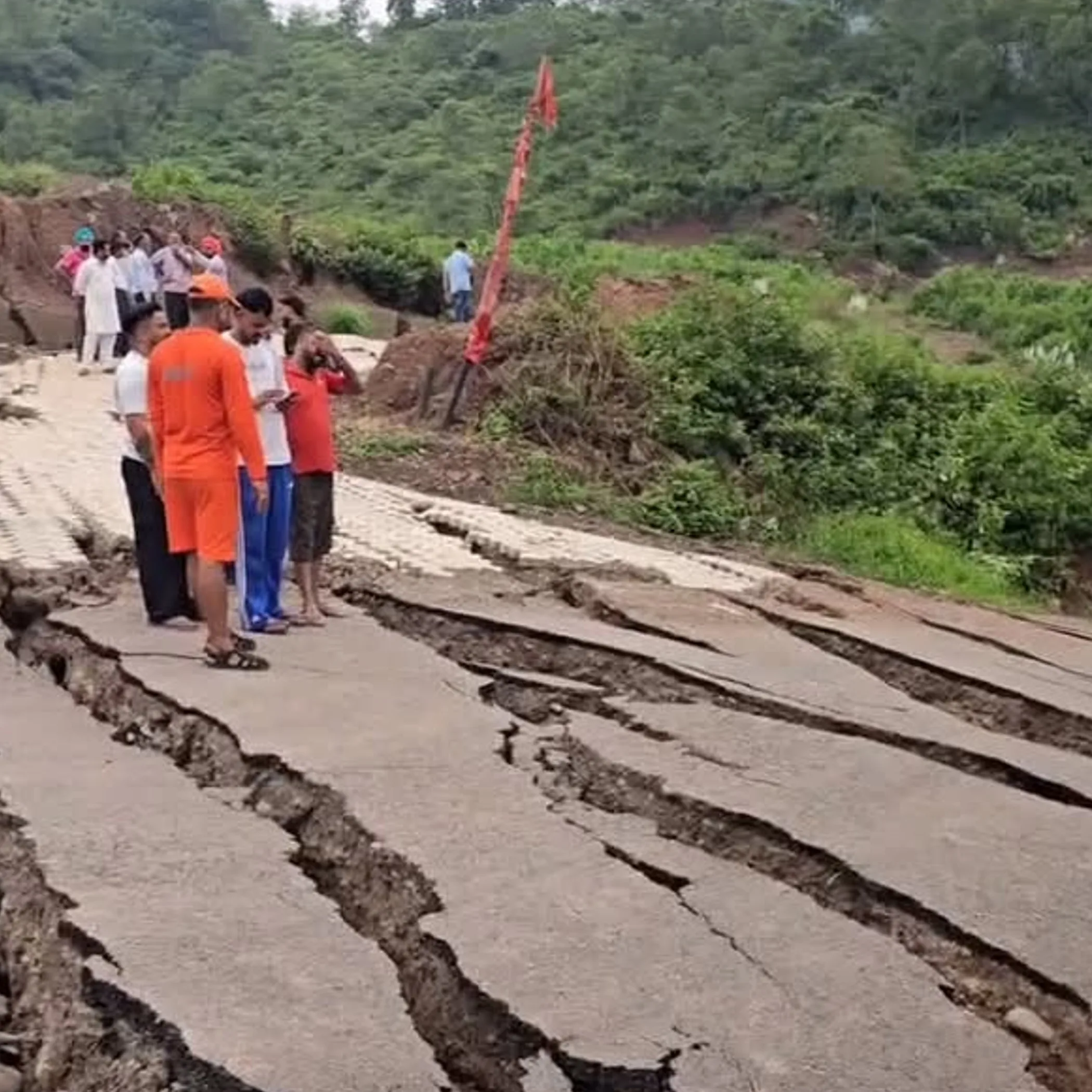
Rockfalls in the wake of a storm are not without their perils. A stone in the lane is bad for tyres and suspension and can put a windscreen out of commission. There is the matter of mud concealing a bigger rock or a clogged drain flooding the road with little notice. Then there is the prospect of queues where only one lane is open, or vehicles from the other direction over the centre line and sudden braking. One should be conservative in one’s driving. It is a nuisance to be late, but not nearly as much as being in the path of a boulder.
Common Roadside Hazards
| Hazard | What It Can Mean | Safer Response |
|---|---|---|
| Small fresh stones | Ongoing material from above | Put on more space and slow down |
| Pooled water or mud | Slope movement or poor drainage | Do not go into uncharted depths, brake gently |
| Boulders or large rocks | Lane could be blocked by further rockfall | Only stop if safe and well clear; make a report |
| Cracked retaining wall/shoulder | Pressure or undermining of the structure | Stay off the edge, heed traffic control |
| Road-closure signs | Route is unverified or unsafe in the view of the authorities | Take the alternative route |
Such indicators are for practical purposes, not to replace an engineer’s opinion. An inspection will turn up damage to the pavement or behind a barrier that a driver would miss. Heed official warnings.
What Drivers Often Get Wrong
Some drivers put too much faith in a rockfall barrier for their safety. Catch fences and the like will keep some material off the road but they are not infallible and can be overpowered. It is not a good excuse to pull over for a closer inspection. Nor is it wise to tail the vehicle ahead; he may need to put on the brakes in a hurry once he sees debris and you will be left with no room to react. On a damp road in particular, leave a wide berth and be prepared for a change in conditions at the next bend.
What To Do Near Falling Rocks
Any sensible precautions should be taken well before entering a danger area. Have your phone charged and water on hand, ensure the lights and tyres are up to scratch and check for alerts. Severe weather in the forecast is grounds for postponing a journey.
When you do run into debris, communication and distance are paramount. Do not stand in the way of a moving slope or traffic to be of assistance.
Follow This Roadside Checklist
- Before you hit a narrow section or a cliff-lined road, or a bend, drop your speed.
- Make sure there is a good gap to the vehicle ahead.
- Your scanning should be of the road and what is above it.
- Under no circumstances stop below a rockfall barrier or an unstable bank.
- Leave large rocks in a live lane alone.
- In reporting hazardous debris be specific as to the landmark, direction and road name.
- For anyone in immediate peril or who is trapped, contact emergency services.
A stop is sometimes necessary; in that case, put some distance between yourself and the slope or any traffic and find a broad, stable spot. Hazard lights should be on when called for, though they are no substitute for a safe place to pull over. Heed what police and emergency services have to say, as well as road crews.
If Debris Blocks Your Lane
Brake with care and remain in your lane. It is not worth swerving into the path of oncoming traffic for a minor object and one should not count on the shoulder being able to support the vehicle. Should you have to come to a halt because the obstruction cannot be avoided, do so where you can see and are at a remove from other vehicles.
There is an official road-condition service for every state and territory, make use of it. The Australian Bureau of Meteorology will have the forecasts and warnings on rainfall and the like. Given how fast conditions and closures can alter, it is wise to look again before you retrace your steps.
Plan A Safer Coastal Drive
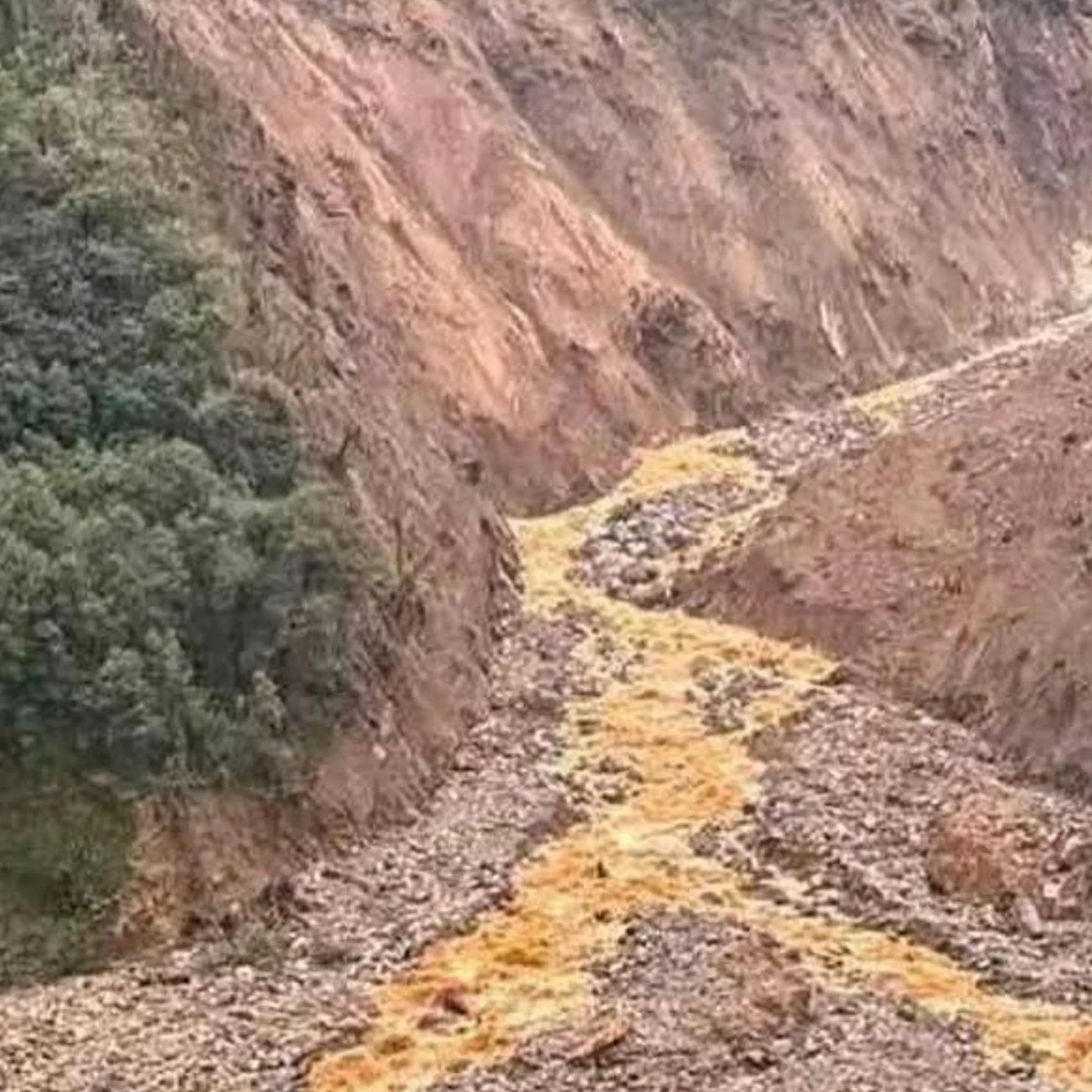
It may not be as appealing as picking out a playlist but proper planning for wet weather is of far greater utility. Put some flexibility in the route, note where you can refuel or rest and let someone know where you are headed and how you plan to get back.
Do not be cavalier about a short walk or viewpoint after a storm and think of them as harmless. That car park could be under a cliff, the walking track over a drainage line, and an access road you know well might be shut following overnight activity.
Make The Route Flexible
Check the local council or state for any road updates at your stops and act on the official warnings put out before you set off. Travellers in Randwick and the surrounding areas of New South Wales will find the Randwick Emergency Dashboard of use for incident information, provided it is seen as an adjunct to, and not a replacement for, closure notices from the road authority.
Factor in time for detours, traffic control and to put in a safe break at reduced speeds. Unstable weather is no time to have an appointment lined up for the end of a two hour drive. Have a plan that allows you to turn around without any fuss.
Choose The Right Traveller
The sort of traveller this requires is one who is at ease with a delay on the roadside, poor visibility and the need to change course. Not for those under pressure from a tour booking or work to press on.
Those of limited mobility and older travellers are best to stay in the vehicle if the ground is unstable. Children must be kept from loose edges and slopes. And for motorcyclists, cyclists and pedestrians there is more exposure to spray and anything that may fall.
One-Day Decision Guide
Stick with the open section nearest to good services, the safest part, instead of making an attempt at the whole coastal route. Decide on a turnaround point and fuel situation before you go and bear the return in mind. You would be better off with a short drive that ends safely than a heroic detour that has you standing by a locked gate.
When parking, seek out marked and sealed ground clear of fresh debris, drains and the base of cliffs. A map pin is not to be trusted in gullies where mobile service is patchy and you may find a temporary barrier or closed access.
When To Turn Around
Even a capable four-wheel drive is no match for water, hidden damage to the pavement or a treacherous slope. A road closure is meant to be taken as a safety measure, not a mere suggestion. If in doubt, turning around is the sensible thing to do. Poor visibility, mounting debris, water on the roadway or a lack of confirmation from authorities as to the safety of the route can make for hazardous driving in the wake of bad weather. Where you do not have a clear view of the surface, any judgement you make on traction or what is in your way will be unreliable.
Respect Official Closures
Cones and barricades are to be left where they are. Do not put yourself behind another driver in a closed section under the pretence that a local shortcut is any safer. There may be emergency crews with little room to work, a bridge in disrepair, downed power lines or an active slope at hand.
Take the signed diversion and put your accommodation or contact on notice that you could be running late. Should there be no safe option, pull over to a secure spot and bide your time until you have some advice. It is less taxing on the nerves and the wallet than having to deal with recovery.
Report New Hazards
The state road authority or local council should be made aware of fresh slope movement, blocked drains, debris or signs that have been damaged. Be sure to supply the name of the road, which way you were heading, the nearest town or landmark and if traffic is able to get by.
Put the camera away while you are at the wheel. A passenger might be in a position to put down some details for the authorities, but one’s own safety has to take precedence. The emergency services want facts, not a showy selfie from the side of the road.
Frequently Asked Questions
For the practical matters that present themselves when the storm is over yet the road remains in doubt, we offer these answers. They tend to be of a conservative nature: in the absence of clarity, it is best to opt for a safer course or wait.
Can Rockfalls Happen After Rain Stops?
Indeed you can. With the soil and rock still being worked by water, a slope weakened by erosion and hydraulic pressure can fail in due course. Stay wary in the hours following a major storm and heed the warnings.
Is A Small Rock On The Road Dangerous?
Potentially. One stone could be all there is or a sign of more to come from above; either way it can put a driver to sudden braking or swerving. Put on the brakes, give it room and if you see substantial debris make a report.
Are Rockfall Barriers Completely Safe?
They mitigate the risk but are not infallible. They can be overtopped or damaged, or sit below material yet to move. Observe the traffic controls and do not stop next to them.
Should I Use A Four-Wheel Drive?
You may find better traction in places but it will not render an unstable or closed road safe. No vehicle is going to stop a landslide or falling rock or compensate for what you cannot see. You cannot substitute capability for good information.
Who Should I Call About Debris?
If it is not a matter of life and death then use the reporting channel of the local council or road authority. But for a serious obstruction that poses an urgent risk to traffic, or where there are injuries or people trapped, call the emergency services and tell them exactly where you are and in what direction you were travelling.
Make The Safer Call

A driver who is attuned to the slope and the road and does not hanker after a plan that needs altering can manage the risk of rockfall post-storm. Heed the warnings, keep your distance and do not go round a closure.
I have a simple rule: if the road is putting up a gamble, I say no. I would rather turn back and have a boil the billy in a safe place and put off the trip until the authorities have given the all clear. You are not shortchanging the adventure so much as ensuring you are home with the tale to tell.